
THE AUTHOR:

In today’s omnichannel economy, every product detail matters. According to Statista, more than 70% of e-commerce companies now sell via multiple digital channels, from marketplaces and webshops to mobile apps and social commerce — and the global e-commerce market alone reached some $5.9 trillion in 2023.
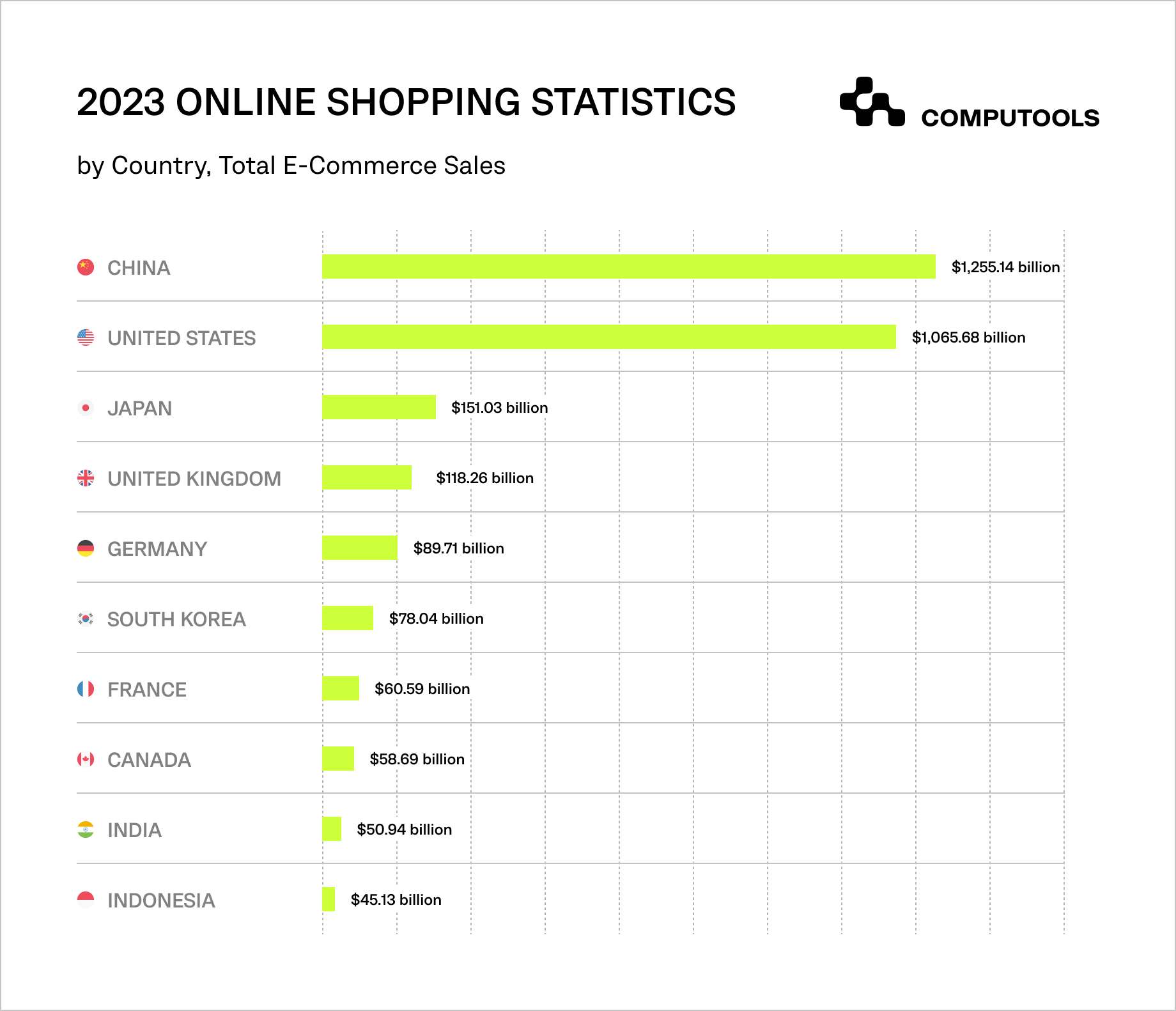
Add to that the rapid turnover of styles and SKUs in the fashion sector ( with some retailers introducing thousands of new items each week) and you get a perfect storm of complexity.
For example, one study found that a leading fast-fashion retailer introduced over 1.5 million new SKUs in a single year. Managing such product data manually or through disconnected systems leads to errors, inconsistent descriptions, delayed launches, and ultimately missed revenue.
This is why the bold decision of PIM build vs buy has become a top priority for CTOs, COOs, and engineering leads across retail and apparel brands. A modern PIM system for retail and eCommerce not only centralises product data from across channels, but also significantly enhances collaboration between marketing, development, and supply-chain teams, turning product information into a strategic asset rather than a bottleneck.
At Computools, we’ve helped global retail brands overcome these exact challenges. In our recent apparel project (see our Apparel case study), we built a fully customized platform that brought together multi-region catalogs, ERP integrations and real-time launch workflows. Thanks to this work, our client reduced their time-to-market, improved data accuracy and scaled their operations across regions.
Let’s explore how you can decide between custom PIM vs Akeneo, PIMcore vs inriver, and whether buying a ready-made solution or building your own is the right path forward.
How Computools helped Apparel centralize product data
Before partnering with Computools, a leading global fashion and apparel retailer faced the same challenge as many enterprise-scale brands: fragmented product information spread across multiple tools, departments, and regions.
Each product line required complex coordination between designers, merchandisers, and suppliers. Most processes were handled manually in Excel-like tools, slowing collaboration and limiting visibility into real-time updates.
The company’s leadership was evaluating the PIM build vs buy question, whether to adopt an off-the-shelf system such as Akeneo or PIMcore, or to create a fully customized platform that fits their internal workflows.
After a detailed discovery and requirements analysis, Computools proposed developing a custom product information management software platform tailored to the client’s assortment-planning and go-to-market needs.
The goal was to build a collaborative environment connecting all participants of the product lifecycle (from design and raw-material sourcing to marketing presentation and sales readiness).
The Solution
Computools engineers designed a modular platform with three core workspaces — Line Planning, Presentation, and Sandbox — each addressing a different stage of the fashion product lifecycle.
- Line Planning: teams could create and manage seasonal assortments, visualise product data, synchronise updates in real time, and collapse data by region or sales channel.
- Presentation: enabled marketing and merchandising teams to prepare interactive, content-rich product presentations through a digital whiteboard and hybrid lineup planning features.
- Sandbox: provided a virtual environment for experimenting with configurations, testing ideas, and visualising assortment layouts without disrupting live data.
The system was seamlessly integrated with PLM systems, ensuring smooth data exchange and automatic information updates. Thanks to its headless PIM solution architecture, the platform could scale horizontally and support third-party modules such as 3D showrooms and supplier workspaces, typical PIMcore enterprise features but implemented in a more flexible, client-specific way.
The Results
As a result, the client achieved:
- Accelerated and optimised garment creation processes, shortening the design-to-launch cycle.
- Improved collaboration between internal teams, suppliers, and wholesale partners.
- Better decision-making through instant access to up-to-date data and visual dashboards.
- Reduced operational costs and increased profitability thanks to automation and data accuracy.
Unlike open-source vs commercial PIM systems, the Computools-built platform delivered a tailored balance of control, scalability, and usability (without licensing constraints or integration limits). This flexibility gave the client full ownership of their digital ecosystem and the ability to adapt it for future business expansion.
Through this collaboration, Computools demonstrated the tangible custom PIM development benefits for complex multi-brand enterprises. The project became a benchmark for scalable eCommerce software development in the fashion industry , including uniting technology, data, and design in one cohesive platform.
Custom PIM vs Akeneo vs PIMcore vs inriver: when to build, when to buy
When a company scales across regions and channels, managing product data turns from a technical task into a strategic one. The right Product Information Management platform determines how efficiently teams can synchronize catalogs, automate updates, and deliver consistent product experiences.
The key question every retail leader faces is simple: build or buy?
1. Akeneo — Simplicity and Open-Source Flexibility
Akeneo stands out for its ease of use and fast onboarding. It’s often the first choice for mid-sized retailers seeking a simple way to unify product data and eliminate spreadsheet chaos.
The open-source nature of the platform allows moderate customization, but deeper integrations or advanced automations usually require third-party extensions. It’s a great first step, because though it may struggle with highly complex, multi-regional setups.
2. PIMcore — Depth and Enterprise Versatility
PIMcore combines PIM, DAM, CMS, and eCommerce capabilities in one system. It’s a strong fit for enterprises needing advanced workflows and automation. Its architecture supports high scalability and data richness, but at the cost of greater implementation effort.
For businesses with solid in-house IT expertise, PIMcore delivers exceptional long-term value; for others, it can be over-engineered and resource-heavy.
3. Inriver — Marketing and Experience Focus
Inriver prioritizes product storytelling and marketing performance. Its built-in syndication and collaboration tools make it ideal for distributors managing extensive partner networks.
However, being a closed ecosystem, it offers limited flexibility for custom integrations and often comes with higher operational costs. It works best for marketing-driven teams rather than engineering-heavy organizations.
4. Custom PIM — Full Control, Tailored Growth
For brands with complex processes (especially in fashion and retail) a custom-built PIM can become a strategic advantage. Instead of adapting to pre-set workflows, the system is shaped around the company’s exact operations.
In Computools’ Apparel project, the client needed to connect designers, merchandisers, and suppliers across multiple regions. Off-the-shelf tools couldn’t support their data model or collaboration structure. Computools built a tailored platform integrating assortment planning, PLM, and ERP data, enabling real-time updates, visual planning, and transparent decision-making across teams.
The result: faster go-to-market cycles, reduced manual work, and better cross-department collaboration. Building such a system requires more time upfront, but the long-term independence, scalability, and data control make it worth the investment.
| Business Challenge | Akeneo | PIMcore | inriver | Custom Solution |
| Data scalability | Medium | High | High | Unlimited |
| Integration depth | Good | Excellent | Medium | Fully tailored |
| Total cost | Low | Medium | High | Variable |
| Time-to-market | Fast | Moderate | Moderate | Longer setup, higher payoff |
| Vendor lock-in | None | Partial | High | None |
In the end, the decision goes beyond tools. It’s about defining how your organization wants to grow through flexibility and ownership, or through standardized efficiency. Ready-made systems fit stable models; custom ones evolve with your business.

Choose the PIM strategy that aligns with your enterprise growth, not your legacy constraints.
Must-haves in a modern PIM system
After defining your PIM build vs buy strategy, the next step is understanding what makes a truly modern software architecture. Regardless of whether your company relies on Akeneo, PIMcore, inriver, or a custom-built platform, several capabilities define the future of product data management and ensure long-term scalability across the enterprise.
A modern PIM is no longer a static repository, so it’s a connected, intelligent ecosystem that unites operations, marketing, and analytics in real time.
Based on our experience in retail software development services and fashion and apparel software development, these are the must-have features that shape the best PIM platforms for enterprise today:
- Headless PIM solutions that integrate seamlessly with ERP, CRM, PLM, and eCommerce systems, allowing effortless data exchange across environments.
- AI-powered enrichment tools for intelligent product categorization, automated translation, and image tagging, ensuring data consistency in multilingual catalogs.
- API-first architecture, enabling smooth interoperability with marketplaces, POS systems, and analytics tools (a critical feature in any product information software comparison).
- User-friendly UX/UI, empowering non-technical teams to manage, edit, and approve data efficiently.
- Omnichannel syndication, which guarantees consistent product information across marketplaces, websites, and social commerce.
The evolution of PIM is about more than data storage, it’s about speed, connectivity, and adaptability. Whether SaaS-based or self-hosted, PIMcore enterprise features and custom systems alike should empower teams to transform raw product data into actionable insights that fuel growth and innovation.
How to choose a development partner
Choosing a reliable technology partner is just as critical as selecting the PIM platform itself. The right vendor doesn’t simply implement software, they translate your data strategy into measurable results.
A strong development partner understands both the business and technical sides of digital transformation, guiding you through the entire decision cycle, from evaluation to implementation and long-term support.
When making your choice, look for a company that:
- Has proven experience in complex system integrations, particularly in SaaS PIM vs self-hosted PIM solutions, helping you identify the optimal model for scalability and compliance.
- Understands the nuances of Akeneo vs PIMcore comparison and can recommend which framework aligns best with your architecture, team size, and data maturity.
- Can assess Akeneo vs inriver performance based on real-world use cases, ensuring your investment supports both marketing agility and technical precision.
- Demonstrates a strong portfolio across the best PIM platforms for enterprise, with the ability to tailor each implementation to your specific retail or manufacturing context.
Such partners don’t sell technology — they design long-term ecosystems. They help you connect business goals with robust software engineering, ensuring your platform remains scalable, adaptable, and ready for continuous growth.
Why Computools?
Choosing a technology partner means choosing trust, expertise, and results. At Computools, we combine deep engineering knowledge with strategic understanding of business transformation , from retail automation to IoT, AI, and enterprise-scale digital ecosystems.
Our expertise extends far beyond implementation: we guide clients through every stage of digital evolution, helping them define architecture, validate solutions, and scale sustainably.
By combining technical excellence with transparent communication and design thinking, Computools ensures that each solution delivers measurable business outcomes.
In the retail and fashion sector, our teams have successfully developed and modernized platforms for global enterprises. The Apparel case is a clear example: a custom-built PIM environment designed to unify designers, merchandisers, and suppliers, accelerating product launches and ensuring real-time collaboration across regions.
This project demonstrated how tailored engineering can outperform standardized tools and help brands evolve their digital infrastructure.
But our expertise doesn’t stop at retail. Across industries, Computools helps clients leverage innovation to modernize processes and deliver impact.
- For CCI Assistant, a leading manufacturer of cash-handling equipment, Computools rebuilt an outdated mobile app into a secure, cross-platform solution — improving performance, usability, and integration for financial operations. The result was a faster, more intuitive experience for users handling millions in daily transactions.
- For E-Feller, a Finnish food-tech startup, we developed an IoT-powered platform to monitor food expiration and optimize logistics. The system reduced product waste by 75%, proving how technology can drive both sustainability and profitability.
These examples illustrate Computools’ core principle: technology must create measurable value. Whether modernizing legacy systems or building the next generation of digital platforms, we focus on outcomes — faster time-to-market, stronger collaboration, and sustainable growth.
Our track record, recognized by global platforms such as Clutch, GoodFirms, and Designrush, positions Computools among trusted partners for enterprises seeking innovation with precision.
Conclusion
In the modern digital landscape, product information is more than data , it’s the foundation of business intelligence, customer experience, and operational agility. The decision between building a custom PIM and adopting a ready-made solution such as Akeneo, PIMcore, or inriver is ultimately a question of strategic direction.
For some companies, ready-made systems offer a fast, efficient route to centralized product management and faster deployment. For others (especially those with complex multi-channel catalogs, evolving architectures, or specific workflow requirements) a custom PIM provides long-term independence, scalability, and seamless integration into the organization’s existing ecosystem.
The PIM build vs buy dilemma isn’t about software alone. It’s about control, adaptability, and future readiness. The right choice depends on how your business defines growth — through flexibility, innovation, and data ownership, or through standardization and speed.
At Computools, we believe in building technology that grows with you. Our work with global retailers, manufacturers, and startups proves that the most effective software is designed around people, processes, and measurable impact.
If your goal is to strengthen data consistency, accelerate product launches, and build an integrated digital foundation for your retail or eCommerce operations, our team is ready to help you make the right architectural choice and bring it to life.
Computools
Software Solutions
Computools is an IT consulting and software development company that delivers innovative solutions to help businesses unlock tomorrow.