
THE AUTHOR:

A custom-built berth booking system helps marinas and ports manage berth allocation, vessel arrivals, service coordination, and occupancy without relying on disconnected calls, emails, spreadsheets, and manual updates.
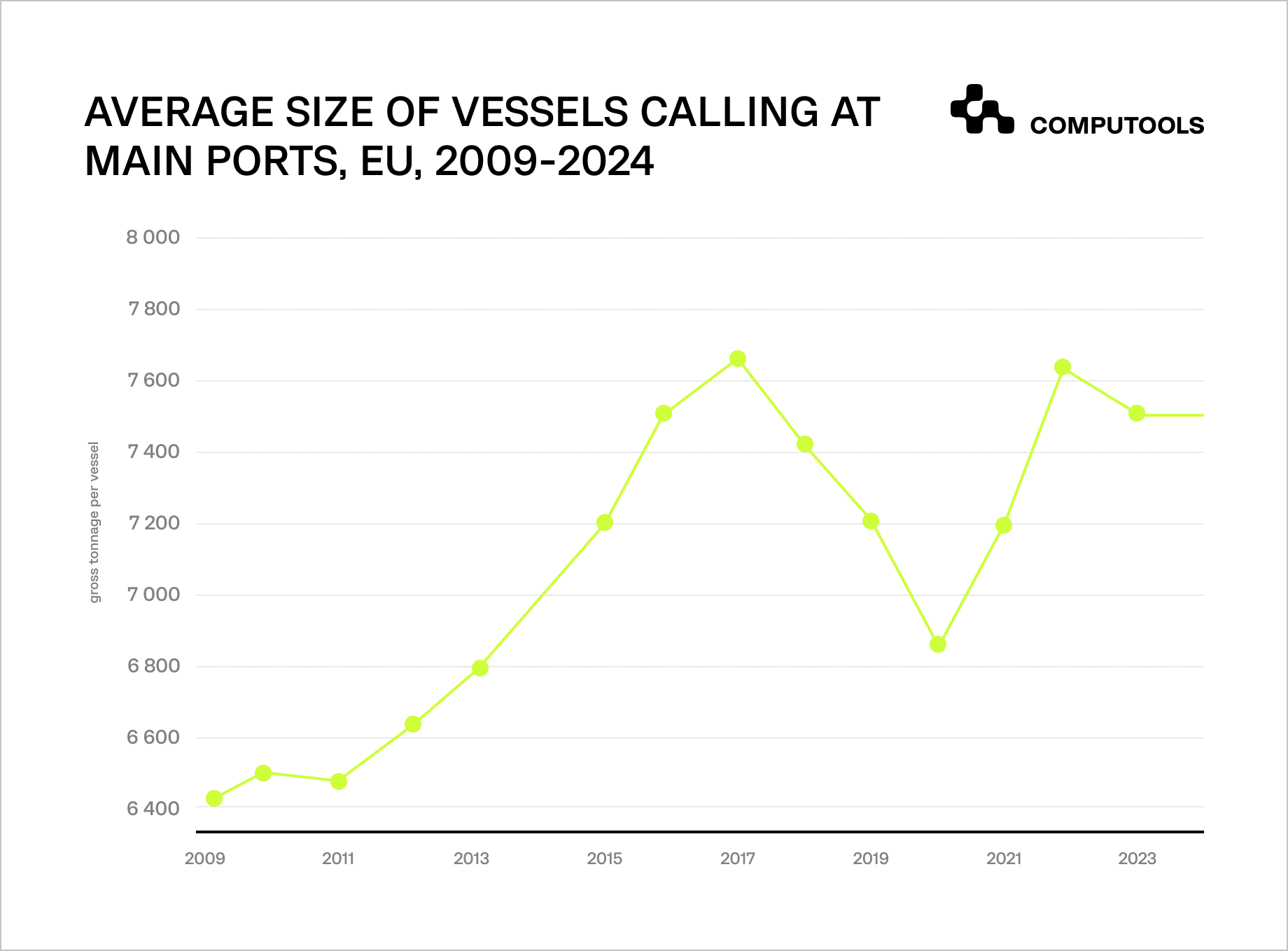
The need for this kind of software comes from operating pressure. Global maritime trade reached 12.3 billion tons in 2023, and since January 1, 2024, IMO Member States have been required to use a Maritime Single Window to digitize information exchange around ship arrivals, stays, and departures. In 2024, the main EU ports recorded 2.2 million vessel calls, up 2.4% year over year.
For marina and port operators, berth availability is only one part of the process. The harder part is assigning the right berth based on vessel dimensions, draft, stay duration, services, permits, and arrival changes while keeping staff, customers, and authorities aligned.
Without a shared digital system, teams spend time on manual coordination, berth conflicts, delayed confirmations, and constant reallocations. A port berth management system provides operators with a working data layer for berth planning, customer communication, utilization control, and faster operational decision-making.
How we built HubMarine’s berth booking and marina operations platform
For HubMarine, we developed a digital platform that combined vessel placement, berth booking, and marina navigation into a single workflow. The client needed better access to vessel data, clearer coordination between boat owners, marina staff, and harbor authorities, and a simpler way to manage reservations without constant manual back-and-forth. We designed the product as a practical layer of maritime port management software that could support daily booking operations, planning, and visibility across the marina environment.
The solution included an intuitive portal for boat owners, marina operators, and harbor authorities, along with planning tools for checking vessel parameters, permits, and sailing history. We integrated AIS data and a custom map layer to improve visibility into vessel type, mooring location, and current marina conditions.
Sensors, supported by our IoT development services, helped with berth allocation, while a custom AI model managed pricing based on weather, facilities, historical occupancy, and nearby events.
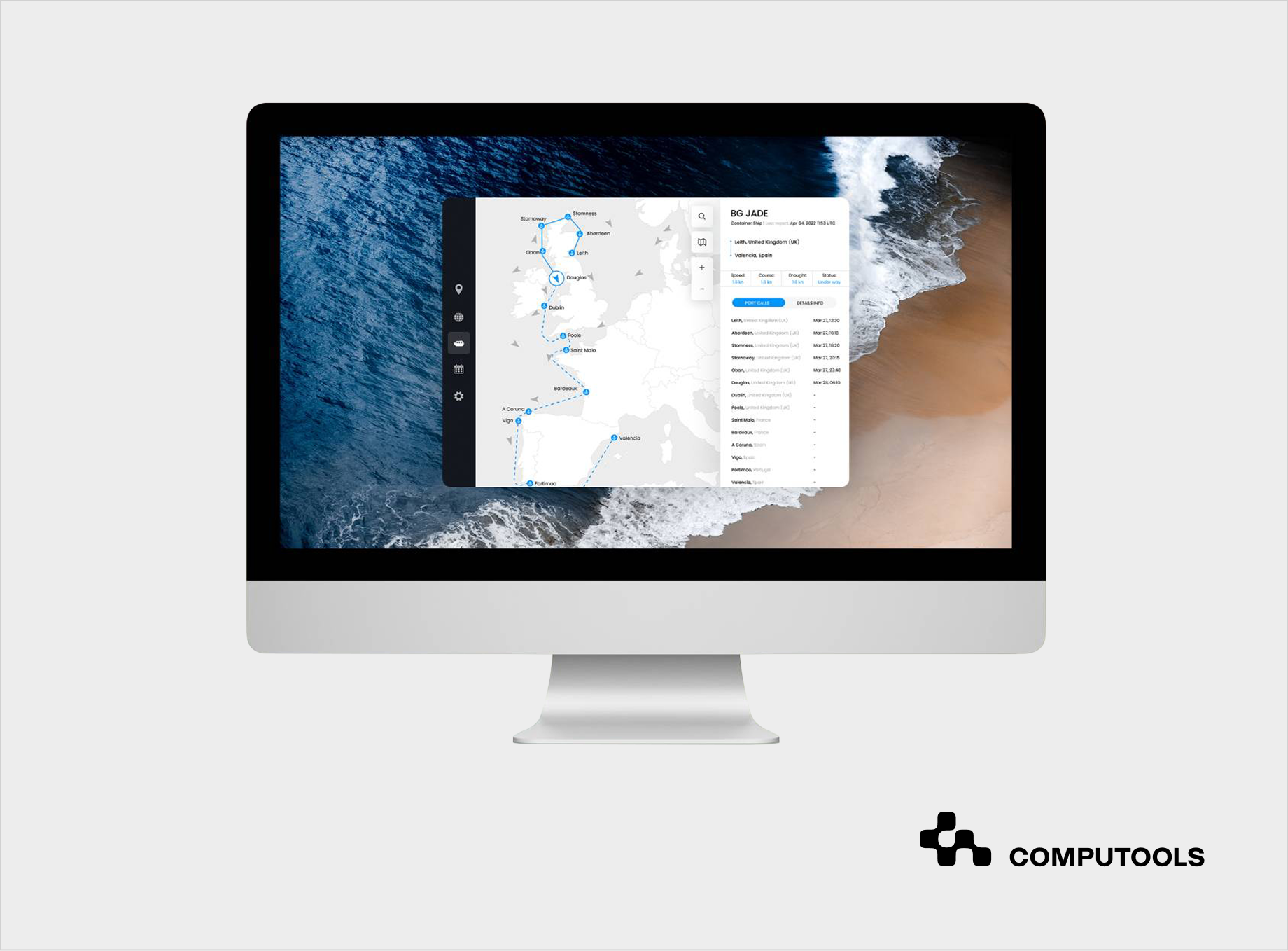
This approach reduced time spent on communication and pre-booking by up to 75% and provided the client with a stronger operational foundation for scaling the platform across its network. The project drew on our broader maritime software development services to integrate booking logic, navigation, and operational transparency into a single product.
Teams planning a wider terminal modernization program can also explore our review of port & terminal management software development companies.
10-step guide: how to develop a berth booking system for marinas and ports
Before getting into the implementation details, it is worth defining, in practical terms, how to develop a berth booking system for marinas and ports. The product must handle berth allocation, booking requests, vessel fit, arrival changes, staff actions, and service coordination within a single workflow. That scope affects the data model, user roles, integrations, and exception handling from the start. The steps below focus on the decisions that turn a booking interface into an operational platform people can use every day.
Step 1. Define the operating model before you design the platform
A marina or port needs a precise operating model before the team moves into berth booking system development. The product has to reflect real berth types, stay formats, approval paths, service dependencies, and exception scenarios. That includes transient and long-stay bookings, arrival windows, berth restrictions, deposit rules, utilities, permit checks, cancellations, no-shows, overstays, and manual reassignment. These definitions shape how availability is calculated and how the platform behaves when two vessels compete for the same slot or when an arrival plan changes a few hours before check-in.
The same step should define who does what inside the system. Boat owners or agents submit requests, update arrival details, and receive confirmations. Marina staff and port coordinators review berth fit, validate vessel data, assign or reassign space, manage service readiness, and resolve conflicts. If these roles are blurred, the product starts to accumulate manual work rather than eliminate it. Teams end up duplicating actions across calls, messages, spreadsheets, and internal notes because the platform’s workflow does not align with the on-the-ground workflow.
The HubMarine case shows why this layer matters early. The platform had to support boat owners, marina operators, and harbor authorities in a single environment while also handling vessel parameters, permits, and sailing history during booking and planning. That structure helped reduce communication and pre-booking time by up to 75% and improved coordination across booking, planning, and daily operations.
This work gives the team a clear berth taxonomy, booking statuses, role definitions, service rules, and exception scenarios.
Step 2. Build the data model around berth fit, vessel data, and stay conditions
A booking platform needs a structured record for every berth and every vessel that enters the workflow. The berth side should include dimensions, draft limits, utility connections, service availability, access restrictions, pricing logic, seasonal rules, and operational status. The vessel side should include length, beam, draft, type, owner or agent details, documentation, service needs, arrival and departure data, and booking history. A berth reservation system for marinas cannot calculate availability correctly if these fields are incomplete, optional by default, or stored across disconnected forms.
The same model has to cover time. A berth is not simply free or occupied. It can be reserved pending confirmation, blocked for maintenance, held for a returning customer, unavailable due to weather exposure, or tied to a vessel with a delayed arrival. Those statuses affect pricing, reassignment, and what staff can promise to the next customer. Time windows for check-in, grace periods, overstays, and service cutoffs should be part of the data structure from the start. When teams leave them outside the model, they end up managing real operations through notes, chat messages, and side spreadsheets.
This layer also determines how well the product can support planning and coordination. In the HubMarine project, we included vessel parameters, permits, sailing history, and berth context in the operational flow, along with map-based visibility of boat type and mooring location. That gave staff a clearer view of each booking and reduced manual clarification around placement and arrival handling.
A weak data model creates friction across the rest of the product. Search becomes unreliable, berth matching becomes shallow, analytics lose value, and manual overrides become routine. A strong model supports cleaner allocation logic, more accurate confirmations, and faster decisions when staff need to move a vessel, change a slot, or respond to an updated arrival window.
Step 3. Turn berth allocation rules into system logic
The next layer is the rule engine that decides which berth can be assigned to which vessel and under what conditions. This is where a booking product starts behaving like real berth allocation and scheduling software. The system should evaluate berth dimensions, draft limits, utility requirements, vessel type, stay duration, service dependencies, restricted zones, and time-based conflicts before confirming a booking. Priority logic also belongs here. Operators may want to reserve specific berths for long-stay customers, premium vessels, returning guests, or operational contingencies during peak periods.
These rules need clear weight and order. Some conditions are absolute and should block the assignment immediately. Others can allow the booking to proceed with staff approval. A marina may accept a vessel that meets physical requirements but requires manual review because shore power is limited or the berth is reserved for a later arrival. A port may allow provisional allocation until final draft data, permits, or service readiness are confirmed. Without this structure, staff end up resolving the same conflicts by hand every day, and availability starts drifting away from operational reality.
This logic also needs to support movement inside the schedule. Delayed arrivals, extended stays, berth maintenance, weather exposure, and vessel changes can all force reassignment. The platform should recalculate availability when those events happen and show the operational impact before staff commit to a new plan. That includes clashes with future bookings, knock-on effects on utilities and services, and the time needed to prepare the berth for the next vessel.
HubMarine is a good example of why this layer has to be defined early. We built the planning flow around vessel parameters, permits, sailing history, and berth context, then connected that logic to a portal used by boat owners, marina operators, and harbor authorities. That gave the team a clearer basis for placement decisions and reduced communication and pre-booking time by up to 75%.
Step 4. Design role-based workflows for booking, approval, and changes
A harbor berth reservation platform must support distinct actions for different users. Boat owners or agents need a clear request flow with berth options, dates, vessel details, services, and confirmation status. Marina staff and port coordinators need a working view of approvals, berth fit, arrival updates, manual reassignment, and exceptions. Harbor authorities may need access to permits, sailing history, or arrival-related data. These flows intersect, but they should not be merged into one generic interface. Each role needs the fields, actions, and visibility that match daily work.
The workflow itself should cover the full booking cycle. That includes request creation, quote or price confirmation, document submission, berth assignment, payment or deposit handling, arrival notice, check-in, stay updates, extension requests, check-out, and cancellation. Status changes should be visible to both staff and customers where relevant. Notifications should follow real events, not arbitrary timers. A delayed arrival, berth reassignment, an expired document, or an unpaid balance should trigger a specific action path within the product.
Permissions matter just as much as screens. Staff should be able to override assignments, block a berth, hold capacity for priority customers, or move a vessel when conditions change. Those actions need an audit trail. Without that control layer, the team falls back on calls, chats, and side notes to explain who changed what and why. That creates friction during peak periods and weakens trust in the platform.
HubMarine handled this part well because the product already served boat owners, marina operators, and harbor authorities through a single portal, while keeping booking and planning tasks tied to vessel parameters, permits, and sailing history. That structure enabled faster coordination throughout the booking flow and reduced the burden of communication for berth requests and updates.
Step 5. Build the operator workspace for live berth control
A booking flow alone isn’t enough. Staff need a single interface showing berth occupancy, pending and delayed arrivals, expected departures, blocked berths, service requests, and manual changes. A marina scheduling and berth allocation system should give operators a live view of the berth board, a timeline of vessel movements, berth statuses, and the actions available for each booking. That includes confirm, hold, reassign, extend, cancel, block, or flag for review. When teams switch between inboxes, spreadsheets, paper notes, and phone calls, availability accuracy deteriorates within hours.
The workspace must support operational decisions under pressure, like delayed departures, utility issues, or vessel movements after final draft confirmation. Staff need visibility of affected bookings, valid alternative berths, tied services, and notifications. Without it, reallocations become reactive, and the platform ceases reflecting true berth usage.
The HubMarine product included a portal for boat owners, marina operators, and harbor authorities, along with a custom map that showed vessel type and mooring location.
The operator layer requires a clear audit trail showing who changed a berth, when, why, and its previous status. This history is vital during disputes, handovers, busy weekends, and post-season review. It also boosts team trust by reflecting actual decisions, not a cleaned-up version.
Step 6. Connect AIS, maps, and external systems
A berth platform needs current vessel data, arrival updates, berth status changes, and service information in one workflow. In practice, teams need to see where the vessel is, whether arrival timing has changed, what berth conditions apply, and which services are already tied to the booking. The integration set usually includes AIS, map layers, customer records, billing, service requests, maintenance status, and document flows. Ports may also need port community systems, vessel traffic services, or authority-facing data exchange, depending on scope.
The quality of this layer relies on data discipline. AIS data can be delayed, duplicated, or incomplete. Vessel names may be inconsistent. Customer records from older systems often have missing fields. The platform needs matching rules, validation, sync frequency, and conflict handling for cases where sources differ. Weak logic causes staff to distrust the screen, reverting to calls and notes.
In HubMarine, we connected AIS and custom map visibility to booking and navigation flows, so staff could work with vessel type, mooring location, and current planning context in a single environment. That reduced and automated manual clarification around placement and pre-booking and improved day-to-day coordination across users.
Step 7. Integrate payments, documents, and service requests into the booking flow
A booking record has to include the operational and commercial details that shape the stay. A marina booking system for boat slips should consolidate berth fees, deposits, utility charges, service requests, insurance data, permit-related information, arrival instructions, extension requests, and cancellation rules into a single workflow. These details affect berth assignment directly. A vessel that requires shore power, water access, fuel service, or technical support needs a berth that can support those conditions. Staff have to see that during review, confirmation, and rescheduling.
The document layer requires clear validation logic, tracking missing fields, expired documents, incomplete uploads, and approval status without side communication. Some files are initially needed, while others become mandatory closer to arrival or check-in. Payment rules need similar control, with teams checking deposit payments, holding window status, overdue balances, and if the berth should return to inventory after deadlines.
Service handling should follow the same structure, enabling customers to easily add utilities and services during booking or before arrival. Staff need visibility into request feasibility, alternative berths, and cost implications. Commercial data and service logic should be integrated into the booking workflow and stored with berth, customer, and stay details.
Pricing rules also belong in this layer. Rates often depend on vessel size, berth type, season, stay length, customer category, and selected services. Authorized staff should be able to manage those rules in the system and see how they affect the booking record. That keeps finance, operations, and customer communication aligned.
Step 8. Build exception handling and staff workflows into the core product
Berth operations shift throughout the day, and the platform has to keep up with those changes. Port booking software solutions need a clear action model for delayed arrivals, early arrivals, berth conflicts, temporary berth blocks, overstays, urgent reassignments, and last-minute vessel updates. Staff should be able to move a vessel, hold a berth, release a slot, extend a stay, or update a booking status, with a reason attached to each action. That history matters during handovers, disputes, and busy periods when several people are working on the same booking.
Permissions require structured controls for different roles like marina operators, harbor staff, finance, customer support, and admins. The product must specify who can confirm berths, override allocations, approve exceptions, change prices, or release inventory. Clear permission logic improves workflow clarity and reduces confusion during quick plan changes.
The HubMarine project is relevant here because the platform had to support multiple user groups within a single environment, and staff adoption was a key operational challenge. The product also had to work with vessel parameters, permits, and sailing history during planning and booking, which made clarity in the interface and day-to-day workflow especially important.
Step 9. Add analytics that improve berth planning and daily decisions
Analytics should answer operational questions that affect occupancy, revenue, and coordination. Teams need visibility into berth utilization by type and period, booking lead time, average stay duration, no-show rate, extension frequency, reassignment patterns, service demand, and revenue per berth. These metrics show where capacity is lost, which berths create repeated friction, and where pricing or allocation rules need adjustment.
The reporting model should stay close to actual decisions. Managers need to see which arrival windows create the most pressure, which vessel categories require frequent manual changes, and which berths remain underused during periods that should be profitable. A harbor team may also need to track service-related delays, recurring draft mismatches, or bookings that regularly trigger reassignment. Clear operational reporting helps staff correct problems before they spread across the schedule.
The HubMarine project fits naturally here because we used historical operating data, along with vessel context and map visibility, to support planning decisions. That gave marina teams better planning visibility across boat type, mooring location, and booking conditions during daily operations. It also showed how historical data and structured operational context can support stronger day-to-day planning decisions.
The product can also surface recommendations when the underlying data is stable. That may include likely berth conflicts, underused capacity, bookings that need staff review, or arrival patterns that affect peak-period planning. Recommendations are useful when they reflect actual berth conditions, service availability, and booking history. Weak source data quickly turns that layer into noise.
If your roadmap includes predictive planning and automated operational decisions, our guide to AI agents in maritime logistics expands on where AI creates practical value.
Step 10. Roll out in phases and keep the platform close to live operations
A berth platform should go live in a controlled sequence. Teams usually begin with one marina, one berth cluster, one user group, or one booking category, then expand once the workflow holds under real traffic. This phase often overlaps with broader logistics software development services when berth planning has to exchange data with transport timing, cargo-related operations, local service providers, finance systems, or other scheduling tools. The rollout plan should cover migrated berth data, verified roles, support ownership, fallback procedures, and a short review cycle for issues that appear during daily use.
Live operations expose gaps that rarely show up in workshops or staging environments. Staff may need clearer status names, faster reassignment, tighter document rules, or greater visibility into how service requests affect berth usage. Sync issues also tend to surface quickly. A berth may appear available in one interface and blocked in another if the status, ownership, and update timing are not precisely defined. These problems slow confirmations, create manual correction work, and weaken trust in the platform.
The HubMarine case shows why phased rollout matters. The product had to support boat owners, marina operators, and harbor authorities within a single environment while handling berth booking, vessel placement, navigation, and operational visibility across a growing marina network. The product had to stay usable as the operating scope expanded, which made workflow clarity, role setup, and post-launch adjustments especially important.
Post-launch work usually focuses on permissions, edge cases, service dependencies, reporting gaps, and workflow bottlenecks that appear under real traffic. Seasonal demand, vessel mix, and customer behavior quickly expose weak spots. Regular review keeps the platform aligned with live operations as seasonality, vessel mix, and service demand shift.

Want to modernize marina operations with real-time berth availability and automated booking workflows? Contact our experts to discuss your project scope.
What features and best practices make berth booking software usable in daily operations?
- Keep berth status visible in real time, with occupied, reserved, blocked, pending, and available berths displayed in a single operator view.
- Support self-service booking for customers, including request submission, arrival updates, document upload, and confirmation tracking.
- Store payments, deposits, utility charges, and service costs in a single booking record.
- Keep customer history, vessel parameters, past stays, and service usage in one place for faster review and better planning.
- Give staff mobile access to berth updates, arrival changes, service requests, and status changes across docks and service areas.
- Use IoT occupancy signals to improve visibility and reduce manual updates when berth-side confirmation is available.
- Build clear alerts for delayed arrivals, expired documents, unpaid balances, berth reassignments, and service issues.
- Connect the platform with AIS, billing, CRM infrastructure, maintenance tools, utilities, and other operational systems that affect berth use.
- Roll out the system in phases, with role-based training and a short feedback loop after launch.
- Review berth conflicts, repeated reassignments, service bottlenecks, and reporting gaps under real traffic conditions.
Berth booking platforms often sit inside a wider logistics environment, where warehouse and terminal automation also affect timing, throughput, and service coordination. For that side of the stack, read our article on warehouse robotics software.
Which product trends are changing berth planning in marinas and ports?
One clear trend is port-call optimization based on live-readiness data. The Global Maritime Forum notes that just-in-time and virtual arrival models help vessels adjust their speeds to berth availability and nautical service readiness, rather than arriving early and waiting at anchor. For berth platforms, this highlights the value of accurate berth status, arrival updates, and service-readiness signals within a single workflow.
Another trend is the stronger use of predictive planning. UNCTAD’s Review of Maritime Transport calls for faster investment in digital technologies such as AI to streamline port operations, reduce congestion, and improve supply chain efficiency. In product terms, smart port berth management software is moving beyond static slot assignment toward conflict detection, forecast-based planning, and faster reassignment when schedules change.
Integration is also becoming more important. The World Bank describes Port Community Systems as critical digital infrastructure for modern ports because they improve communication, reduce errors, and support higher trade volumes. That makes it harder to keep berth booking as a standalone tool. The platform increasingly needs to exchange data with vessel information, billing, access control, utilities, and operational coordination systems that affect berth use every day.
Why companies choose Computools for berth and marina operations software
Companies choose Computools because we build booking and operations products around real berth logic, vessel data, allocation rules, live coordination, and adjacent logistics workflows. In practice, that means a berth booking system is designed as part of a wider operating environment, with room for integrations, pricing logic, occupancy visibility, and staff actions under real traffic conditions.
Our maritime and logistics practice includes 250+ experts, 12+ years of experience, 10+ global maritime projects, and a 4.9 Clutch rating based on 94 reviews.
Our delivery base is broader than one marina case. In HubMarine, we worked on berth allocation, sensors, and AI-based pricing for marina operations.
In a Western European rail project, we built a real-time cargo fleet monitoring system using sensor data and instant alerts for safety parameters, including volume, pressure, and temperature.
In Locargo, we developed an integrated IoT solution with an optimization algorithm that enabled operators to use unused transport capacity within a shared logistics ecosystem. Together, these projects show why our maritime software development services work well for platforms that need live status data, operational visibility, and planning logic across moving assets and constrained infrastructure.
We also integrate AI development services into products that improve operational decision-making in measurable ways. That includes pricing logic for marina capacity, forecasting and analytics tools in maritime products, and AI-driven logistics expertise in the wider transport domain. This combination matters for berth and marina platforms because allocation, demand shifts, service dependencies, and arrival changes all benefit from stronger prediction and faster decision support.
If you are planning to build or upgrade a berth booking platform for your marina or port, contact our team at info@computools.com to discuss your requirements and get a project estimate.
Computools
Software Solutions
Computools is an IT consulting and software development company that delivers innovative solutions to help businesses unlock tomorrow.