
THE AUTHOR:

Museums, heritage sites, attractions, cultural venues, and tourism destinations increasingly need technology that connects the complete visitor journey. The best visitor experience platform development companies build platforms that incorporate discovery, ticketing, navigation, interactive content, and payment and membership integrations, as well as CRM and collection data and analytics. These systems are designed for visitor use before, during, and after the visit.
Top 20 digital visitor experience platform development companies:
1. Computools
2. Q42
3. Cogapp
4. DEPT®
5. Fabrique
6. Made Media
7. Thoughtworks
8. Torchbox
9. Digirati
10. Numiko
11. Substrakt
12. hedgehog lab
13. Accenture
14. SoftServe
15. EPAM
16. Publicis Sapient
17. Capgemini / frog
18. Endava
19. Valtech
20. Clearleft
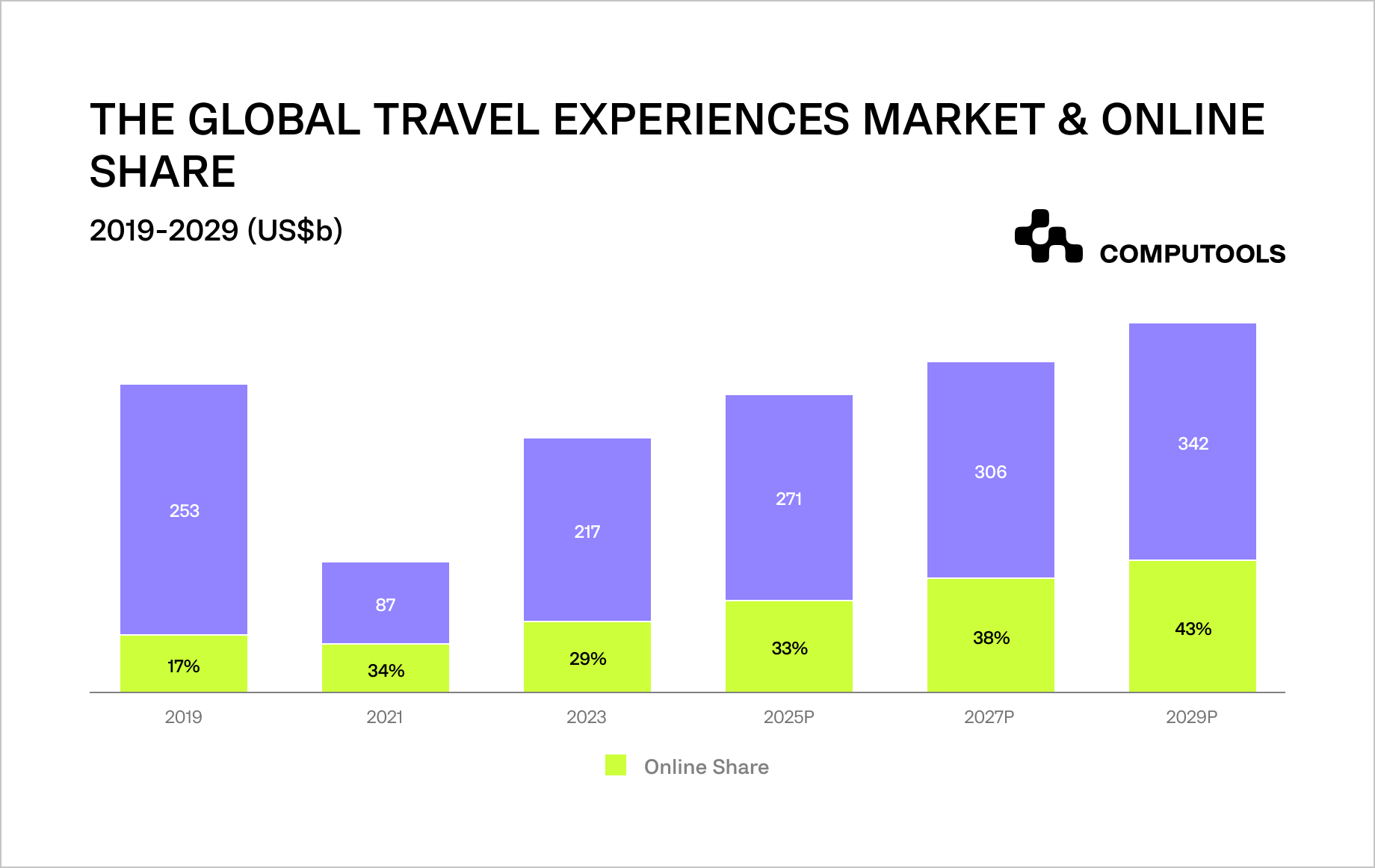
The digital capability gap at visitor attractions represents a significant opportunity. Arival reported that in 2025, over a third of attractions still lacked any modern ticketing systems. Among venues that have implemented a modern ticketing system, 65% stated being either generally dissatisfied or only “somewhat satisfied” with the solution.
Museums face another challenge of connecting physical and digital audiences. The Network of European Museum Organisations recommends measuring online and onsite behavior as one connected journey instead of treating them as separate audiences. That changes the role of visitor behavior analytics. Institutions need to understand how someone discovers an exhibition, buys a ticket, interacts with content onsite, joins a membership program, and returns digitally after the visit.
Accessibility has also become an architectural requirement. The European Accessibility Act applied on June 28, 2025. It covers a range of e-commerce activities, as well as ticketing and self-service web and mobile or electronic ticket services. Therefore, organizations with a service footprint beyond a single country will need to implement accessibility, security, performance, multilingual content, and privacy compliance testing for their technology in use.
What should a modern visitor platform include?
Effective digital visitor engagement solutions should connect multiple systems instead of forcing visitors and staff to move between independent tools.
| Platform layer | Typical capabilities |
| Discovery | Destination pages, exhibitions, events, SEO, trip planning. |
| Commerce | Tickets, timed entry, passes, memberships, donations, add-ons. |
| Visitor account | Identity, preferences, purchases, memberships. |
| Mobile | Digital tickets, maps, itineraries, audio, notifications. |
| Onsite interaction | QR, NFC, kiosks, AR, interactive guides. |
| Content | CMS, DAM, collections, video, audio, translations. |
| Engagement | CRM integrations, segmentation, loyalty, post-visit communication. |
| Data | Journey reporting, attribution, visitor segmentation. |
| Operations | Capacity, scheduling, visitor flow, staff tools. |
| Integration | Ticketing, POS, CRM, CMS, payments and collection databases. |
A modern digital visitor journey may begin with search or social discovery, continue through ticket purchase and trip planning, move into mobile navigation and interpretation onsite, and finish with membership, donations, retail, recommendations, or repeat visits.
The strongest development partners can connect these stages without creating another isolated digital channel. Therefore, this ranking focuses on custom software engineering, product design, experience technology and visitor management software, data, integration, and modernization expertise.
If mobile guides, navigation, audio tours, AR, or location-based experiences are a priority, our comparison of top guided tour app development companies covers teams with relevant expertise in building interactive visitor applications for museums, attractions, heritage sites, and tourism destinations.
How the top visitor experience platform development companies were selected
The ranking prioritizes verified museum, attraction, tourism, heritage, and cultural-sector work.
| Selection criterion | What we evaluated |
| Visitor-sector experience | Museums, attractions, heritage, cultural venues, destinations. |
| Custom engineering | Ability to develop rather than simply configure packaged products. |
| Visitor journey coverage | Discovery, booking, onsite use, post-visit engagement. |
| Commerce | Ticketing, reservations, memberships, payments and upselling. |
| Mobile capability | Native apps, PWA, digital guides, maps and wallets. |
| Content | CMS, DAM, collections, multimedia and multilingual delivery. |
| Integration | Ticketing, CRM, POS, payments, collections and third-party APIs. |
| Data | Visitor profiles, reporting, personalization and segmentation. |
| Interactive technology | AR, XR, location services, 3D and interactive media. |
| Modernization | Migration, API enablement and replacement of legacy systems. |
| Accessibility | Inclusive design and accessible development. |
| Scale | Peak transaction handling, cloud architecture and international delivery. |
| Support | Continuous development and post-launch maintenance. |
For organizations specifically evaluating cultural technology specialists, our guide to heritage tourism software development companies in Europe provides additional sector-specific selection criteria.
20 visitor experience platform development companies to consider
The companies below were selected for their ability to build and modernize visitor-facing platforms that connect ticketing, mobile experiences, content, collections, CRM, analytics, personalization, and operational systems.
1. Computools
Computools approaches visitor technology as an operating system connecting customer experience with transactions, data, content, and internal workflows. The company combines travel and hospitality software development services with broader software engineering, architecture, cloud, data, and modernization capabilities. Its heritage portfolio covers custom digital visitor experience platforms, guided-tour applications, interactive maps, ticketing, cultural asset management, museum systems, multilingual interfaces, and real-time analytics.
For organizations testing new ideas before committing to full deployment, MVP development services can validate visitor flows, integrations, and adoption assumptions on a controlled scope. More advanced programs can add AI development services for approved-content search, multilingual assistance, recommendation engines, classification, or operational forecasting.
Keep Ticketing Stable During Peak Demand
A successful marketing campaign or major exhibition often creates a sudden transaction spike. If the booking layer cannot hold inventory correctly or process requests quickly enough, increased demand creates abandoned purchases and support problems.
For Multitrading, Computools developed a multi-threaded ticket booking application capable of processing millions of simultaneous requests. The project included API integrations, data collection, storage, load testing, and changes to the booking flow that reduced waiting times.
The same engineering principles apply to admission tickets, timed exhibitions, annual passes, special events, tours, and group reservations.
Connect Discovery With the Onsite Experience
SMARTCITY demonstrates how digital interaction can extend beyond booking. Our team combined geospatial search, nearby attractions and events, instant messaging, augmented reality, photo-linked location information, and 3D navigation in one travel product.
For heritage organizations, this experience transfers to interactive maps, city trails, museum routes, archaeological parks, audio tours, and location-triggered content.
Computools’ heritage tourism software development practice extends this model to guided-tour apps, cultural asset systems, ticketing, wayfinding, museum interfaces, multilingual content, and analytics.
Build Direct Visitor Relationships
Ticket sales are more valuable when they produce usable first-party visitor data. The Radesso Prime project addressed a similar issue in hospitality. The hotel group previously received 70–80% of reservations through OTAs. After we developed a direct booking platform with a redesigned booking journey, guest data capture, analytics, and retention workflows, direct reservations increased from around 10% to 55% within approximately six months.
The mechanics transfer to attractions to help improve the direct transaction path, capture consented visitor data, connect it with CRM workflows, and use post-visit communication to support memberships, repeat visits, events, or donations.
Modernize Without Creating Another Silo
Visitor organizations often already have ticketing, CRM, CMS, finance, collection-management, and marketing systems. Replacing everything simultaneously creates cost and operational risk.
Computools can combine web development, mobile app development services, data engineering, API integration, and cloud modernization around existing systems.
Our broader hospitality work also includes software development services for HoReCa, while related venue expertise includes land-based casino software development, where secure payments, loyalty, identity, transactions, and real-time operational data create comparable integration requirements.
Best for: Museums, destinations, attractions, and heritage organizations that need custom engineering, integration, data, and visitor-facing products within one program.
2. Q42
Q42 is particularly strong in technically demanding museum and attraction products. The company develops native and cross-platform mobile apps, websites, scalable digital products, connected devices, and AI applications. Its broader capabilities include iOS and Android development, AI-assisted search, large-scale image experiences, cloud-connected products, accessibility, and high-load consumer applications.
The Rijksmuseum app is an excellent example that integrates multimedia tours, navigation within the museum, access to the collection, ticket purchases, and beacon-based contextual information. For Naturalis, the company built both iOS and Android applications that display thousands of collection items and offer visitor pathways and tours that can be modified via a content management system.
Q42’s work in AI includes advanced search, mobile content and interface generation, making them a great choice for organizations that wish to implement AI for collection-based or visitor-oriented services.
Best for: Museums that want advanced visitor experience apps, interactive collections, navigation services, or innovative digital interpretation.
Consideration: Q42 is more specialized than global consultancies offering large enterprise transformation programs.
3. Cogapp
Cogapp specializes in digital cultural heritage and has extensive experience connecting museum collections with public-facing products. Its services cover digital strategy, UX design, visual design, technology, agile delivery, and long-term development, giving it strong knowledge of both cultural institutions and the systems that sit behind public collection experiences.
For The Metropolitan Museum of Art, it dealt with over 340,000 artworks, various instances of TMS, and metadata standardization, collection search, and integration with ticketing, email, membership, and donation services.
That combination is particularly relevant when visitor experience software has to consume information from complex collection databases instead of operating as a separate marketing channel. This makes Cogapp relevant when institutions need collection APIs, metadata normalization, CMS integration, search, digital archives, membership connections, or a public website that draws data from several internal sources.
Best for: Museums, archives, and cultural institutions with complicated collections, metadata, search, and systems-integration requirements.
Consideration: Its focus is stronger in museums and cultural collections than in large commercial theme parks or hospitality operations.
4. DEPT®
DEPT® combines experience design with substantial engineering, data, AI, cloud development, and enterprise-platform capability. Its technology practice includes enterprise architecture, cloud modernization, custom platforms, analytics, data management, AI, product engineering, and the modernization of legacy systems.
Their work in museums features projects for the Van Gogh Museum, where they helped create digital identity and mobile experiences as well as collection offerings and the museum website, and Mauritshuis, where they designed a custom website and multimedia tour.
This experience makes DEPT® particularly relevant when an interactive visitor experience depends on strong creative execution as well as technical delivery.
Best for: Museums and cultural brands prioritizing digital design, personalized interpretation, content, and audience engagement.
Consideration: Some museum engineering projects involve technology partners, so buyers should clarify which parts DEPT® will deliver directly.
5. Fabrique
Fabrique has worked on museum and cultural heritage projects since 2000 and reports more than 50 international museum websites, installations, tours, identities, and applications. Its subject matter expertise is especially relevant to institutions where visitor experience requires more than functional software.
Fabrique focuses on customer journeys, visitor behavior, conversions and engagement, content, public space UX, design systems, digital transformation, and interactive interfaces (touchscreens and mobile apps). It also integrates strategy with measurable goals, including attendance, engagement, and revenue.
Some of their notable clients include the Rijksmuseum, National Gallery, Van Gogh Museum, Tate, Design Museum, and the Louvre Abu Dhabi.
The company is especially capable where visitor experience technology has to balance interpretation, storytelling, and brand identity with usability, as opposed to being just a transactional system.
Best for: Museums and cultural institutions where visitor research, digital interpretation, UX, and creative direction are major priorities.
Consideration: Complex backend or platform engineering may involve specialist technical partners.

Launch your digital visitor experience platform in 1–3 months, not years, and give visitors seamless access to personalized tours, interactive content, wayfinding, and real-time guidance while creating new opportunities to increase engagement and revenue.
6. Made Media
For attractions and performing-art organizations, combining digital technology with live experiences is a huge benefit. This is Made Media’s differentiating feature. It has a good range of offerings that includes digital strategy, transformation roadmaps, UX, and accessibility-first design systems, website development, analytics, audience segmentation and attribution, ticketing, subscriptions, memberships, donations, and long-term support.
Made Media’s extensive knowledge base is essential for digital visitor engagement solutions, especially when the public website is a major revenue-generating resource and entails the integration of programming, ticketing, customer/training profiles, memberships, fundraising, and marketing.
Best for: Aquariums, museums, theaters, and cultural venues and organizations where ticket sales and visitor implementation are the priority.
Consideration: Its portfolio is more focused on live experiences and cultural commerce than on large enterprise data transformation.
7. Thoughtworks
Thoughtworks offers a breadth of capabilities including software engineering, product development, customer experience, data modernization, AI, legacy modernization and a deep skill within technology advisory and managed services. This is particularly beneficial to more complex visitor projects that require a high degree of immersive engagement and interface design, cloud infrastructure, content-management tools, analytics, and maintainable backend systems.
Its Lincoln Unlocked application for the Abraham Lincoln Presidential Library and Museum uses augmented reality, multimedia tours, multilingual content, and accessibility features to connect physical exhibits with contextual digital material.
The company is a strong option when museum and attraction software development requires advanced mobile engineering, cloud architecture, emerging technology, and broader transformation capability.
Best for: Large institutions developing ambitious AR/XR, data, mobile, or experimental technology programs.
Consideration: Thoughtworks may be a larger engagement than smaller institutions need for a straightforward site or digital guide.
8. Torchbox
Torchbox works extensively with galleries, libraries, archives, and museums, including London Museum, Tate, M+, and the V&A, Migration Museum, and Art Fund. The company provides services to cover digital strategy, user experience, development, content management systems, accessibility, and a variety of integrations, analytics, and AI-assisted collection discovery.
Torchbox has notable expertise in Wagtail and Django. They are strong at custom application development, legacy website migration, and a variety of website integrations including CRM systems, payment and ticketing services, email systems, and various back-office services.
Torchbox has also collaborated with the London Museum to implement conversational collection searches. This experience has paved the way for other projects to incorporate AI-based search and collection interaction in the future.
Best for: Museums that need CMS transformation, accessible content, multilingual delivery, collection discovery, integrations, or controlled AI experimentation.
Consideration: Less focused on high-volume attraction commerce than providers specializing in ticket transactions.
9. Digirati
Digirati specializes in the digital infrastructure behind cultural heritage collections. Its expertise covers digital strategy, metadata, IIIF, digital preservation, collection publishing, annotation, crowdsourcing, research tools, open standards, AI evaluation, and public-facing collection experiences.
A major differentiator is its work with the International Image Interoperability Framework. Its IIIF infrastructure supports digitized objects that can be stored, enriched, organized, published, reused, and shared through interoperable APIs. Digirati also develops tools for transcription, annotations, storytelling, teaching, and research.
For visitor experience software solutions, this expertise becomes valuable when digital collections must support websites, exhibitions, education tools, remote access, interactive storytelling, and future channels without repeatedly copying or rebuilding the underlying data.
Best for: Museums, libraries, and archives needing collection infrastructure, standards-based interoperability, metadata, and custom public interfaces.
Consideration: Stronger in cultural data and collections than in ticketing, CRM, or commercial attraction operations.
10. Numiko
Numiko develops digital products for cultural, educational, and public-interest organizations. Its cultural portfolio includes the British Museum, Science Museum Group, and Eden Project.
Its capabilities begin with user and audience research, stakeholder workshops, digital strategy, journey planning, UX, and website development. That makes the company relevant for institutions that need to reorganize large amounts of content around visitor needs before replacing technology.
Numiko also understands the commercial role of museum websites. Eden Project, its digital work supported visitor planning and transactions, with measurable increases in purchases of passes, memberships, and related products.
Best for: Cultural destinations that want content, commerce, UX, and digital storytelling in one public-facing platform.
Consideration: Buyers needing extensive operational platforms or complex real-time backend systems should assess the required engineering scope carefully.
11. Substrakt
Substrakt is focused on offering services and tools to support cultural organizations through strategy, training, accessibility, streaming, e-commerce, and ticketing. Its offerings include websites and other digital products. The company has over 15 years of ticketing experience, and over 90% of their work involves ticketing integration.
Substrakt has partnered with Tessitura, Spektrix, Eventim, Elevent, SRO, AudienceView, and other operators. It can extend ticketing services by connecting systems through APIs, improving purchase flows, and including options for memberships as well as upselling, digital wallet ticketing, and accessible seating.
Substrakt also provides digital strategy based on audience journeys, performance goals, and channel priorities, plus streaming tools integrated with ticketing and customer data.
Best for: Cultural venues needing visitor engagement platforms with sophisticated ticketing, accessible checkout, memberships, digital content sales, or website integration.
Consideration: Its narrower industry focus may be less suitable for very large destination infrastructure or complex multi-industry platforms.
12. hedgehog lab
hedgehog lab is strongest in mobile-first and location-aware visitor experiences. The Madinah City Living Museum project combines a Flutter mobile app, website, headless content management system, augmented reality, and location-based services, as well as multilingual content, asset management, kiosk content, and QR-code management.
The company’s expertise is easily expandable to implement cultural routes, city trails, and archaeological parks. It is well-suited for pilgrimage sites, outdoor museums, destination guides, loyalty programs, and interactive interpretation. A headless software architecture is also useful when content must later be reused in kiosks, mobile apps, web pages, or additional visitor touchpoints.
Best for: Heritage destinations, city tourism programs, and organizations prioritizing mobile and location-based interaction as well as multilingual experiences, digital trails, QR interactions in a digital experience platform for visitors.
Consideration: Its strongest relevant evidence is mobile- and experience-led rather than ticketing-heavy.
13. Accenture
Accenture uses its experience in enterprise strategy, integration, large transformation capabilities, and areas such as design, cloud, and AI to contribute to cultural projects. Their longstanding partnership with the Louvre was focused on aspects of digital strategy and design, targeting improvements in the visitor, employee, researcher and staff experiences.
The company’s services are relevant when an institution-wide transformation includes: multiple departments, legacy apps, infrastructure, content and CRM systems, ticketing, governance, content and data, as well as visitor tech.
A wide background makes Accenture a good fit for organizations looking to implement immersive experiences, innovations in AI, cloud computing, operating models, customer journeys and data analytics.
Best for: Large museums and national organizations undertaking enterprise-level cultural change with a high demand for extensive systems integration, consultancy, frameworks, and governance.
Consideration: Enterprise delivery and pricing may exceed the requirements of smaller institutions.
14. SoftServe
SoftServe is a strong candidate for destinations where visitor experience depends on integrating a large number of commercial and operational systems.
SoftServe’s Resorts World Sentosa work demonstrates relevant large-attraction integration capability. The destination includes Universal Studios Singapore, S.E.A. Aquarium, hotels, restaurants, and other entertainment facilities. SoftServe implemented and integrated Sitecore with reservations, marketing systems, vouchers, rewards, casino systems, and other internal platforms while supporting multilingual content and personalization.
These capabilities are also relevant to multi-property attractions with similar needs, such as modernization of CMS or DXP, reservations, visitor profiles, personalization, campaigns, automation, content, and data exchange, as well as ongoing support for the platforms.
Best for: Resorts and multi-attraction destinations that need an omnichannel visitor experience connecting content, bookings, marketing, loyalty, and internal systems.
Consideration: Direct museum-specific evidence is more limited than its hospitality and destination work.
15. EPAM
EPAM combines large-scale product engineering with travel and hospitality expertise. Its capabilities include experience strategy, platform and product development, modernization, cloud, data science, mobile, AI, personalization, and scalable digital platforms. EPAM reports work with airlines, travel agencies, hotel groups, cruise lines, and travel technology companies.
Its Visit Qatar work includes an interactive personalized digital concierge intended to support travelers through tailored experiences across communication channels.
Their other travel projects include the development of mobile booking systems, digital travel aids, personalized travel journeys, and MACH architecture, which combines microservices, APIs, cloud, and headless technologies.
Their capabilities are best-suited for destination marketing organizations that need a guest experience platform that includes personalization, content, customer data, mobile and cloud services, along with integration with other enterprise solutions.
Best for: Tourism authorities and large destinations with complex engineering, personalization, data, and modernization requirements.
Consideration: Evidence is stronger in travel and destination platforms than in museum collection systems.
16. Publicis Sapient
Publicis Sapient combines strategy, product, experience design, engineering, data, AI, cloud, and marketing technology. In travel and hospitality, its capabilities include smart destination platforms, contactless experiences, real-time personalization, booking and loyalty integration, AI demand forecasting, cloud modernization, and customer-data platforms.
Publicis Sapient developed Yas Connect for Miral at Yas Island, creating a unified digital platform covering island attractions. Each visitor can have a unique customer ID, with app, web, activity, purchase, Wi-Fi, and location data used for real-time personalization. Publicis Sapient reports $100 million in new ticket sales in the first year and 37% of ticket sales through Yas Connect.
Best for: Large destinations seeking unified visitor identity, personalization, ticketing, data integration, and commercial optimization.
Consideration: Better suited to major transformation programs than small standalone attractions.
17. Capgemini / frog
frog merges experience design, behavioral research, creative technology, and immersive development within the context of Capgemini’s broader consulting and engineering expertise. This fusion is particularly advantageous when visitor projects integrate software, exhibit design, and interaction across the spatial and physical realms.
The frog team was responsible for the design and realization of the interactive digital installations for the Magritte Interpretive Gallery. This project enables a deeper engagement with the artist’s works and won a Gold AAM MUSE in AR/VR for its outstanding innovation. frog’s proficiency in immersive technologies extends to AR, VR, MR, and enhanced interactive interfaces.
Best for: Organizations that want to create interactive and immersive exhibits and mixed-reality experiences with a seamless integration of both the physical and digital realms.
Consideration: Buyers should distinguish between exhibit-oriented experience work and the broader operational requirements of visitor management software.
18. Endava
Endava brings strong adjacent expertise in travel booking, customer platforms, UX modernization, cloud-ready architecture, personalization, and high-volume digital transactions. Its travel practice includes airlines, travel marketplaces, mobility providers, and booking businesses, with hundreds of delivered travel projects.
For Scenic Group, it created a booking platform covering research, booking, trip management, personalization, and trip planning across five brands and 15 markets. Endava reports that reduced call-center demand helped the platform pay for itself within four weeks.
Best for: Large travel, attraction, or leisure companies modernizing booking, customer journeys, and enterprise platforms.
Consideration: Stronger adjacent travel evidence than direct cultural-sector experience.
19. Valtech
Valtech provides digital strategy, UX, experience design, digital commerce, mobile development, enterprise systems, data, analytics, personalization, and marketing practices specific to travel and hospitality sectors. Their travel division works with airlines, airports, hotels, agencies, cruise lines, and destination entities with comprehensive capabilities to address all travel-related needs.
An example of their work is the digital destination services project they did for the Charlotte Regional Visitors Authority. The solution drummed up interest in the region and ultimately helped convert online users to visitors to see one of the many attractions in the area, like the NASCAR Hall of Fame.
Best for: Destination marketing organizations and travel industry businesses that combine experience design, integrated content and commerce, and customer acquisition.
Consideration: Its public visitor-sector work is broader in tourism and destination marketing than in museum technology infrastructure.
20. Clearleft
Clearleft is a digital design firm with a strong portfolio in UK museums. Its offerings span user research, service and product design, as well as UX, interaction design, digital strategy, and design systems.
This is especially useful during the redesign of a service when a company needs a clear understanding of visitor behavior to simplify journeys prior to implementing a service platform on a large scale.
Best for: Cultural and other not-for-profit organizations requiring deep UX and service design and a digital strategy with an emphasis on accessibility.
Consideration: Its strength lies primarily in design and digital product strategy rather than large-scale backend transformation.
For a closer look at technology partners focused specifically on museums, see our guide to top museum software development companies. It compares providers with experience in digital collections, ticketing, visitor engagement, mobile experiences, integrations, and museum platform modernization.
How to compare visitor experience platform development companies to choose the right one
Start by evaluating how a provider will connect visitor journeys, ticketing, content, data, and existing systems. Strong design matters, but the platform architecture, integrations, scalability, and operational fit will determine whether the solution works beyond the initial launch.
| Evaluation area | What to verify | Question to ask |
| Visitor journey | Pre-visit, onsite and post-visit scope | Which visitor stages remain outside the proposed platform? |
| Ticketing | Inventory, timed entry, payments | How is ticket availability synchronized in real time? |
| Data ownership | CRM, ticketing and analytics | Which application owns the visitor profile? |
| Content | CMS, DAM and collection systems | Can staff publish new experiences without developers? |
| Mobile | Native versus PWA requirements | Which features genuinely require a native application? |
| Accessibility | QA testing and acceptance | Which accessibility criteria are included in QA? |
| Performance | Load and transaction targets | What peak traffic will the platform be tested against? |
| Integration | APIs and legacy systems | Which integrations are synchronous and which are batch-based? |
| AI | Content control and evaluation | Which approved sources can the AI use? |
| Ownership | Code, data and documentation | Can another provider operate the platform later? |
For additional guidance on evaluating development partners in travel and hospitality, see our comparison of vacation rental software development companies in Europe. It covers how to distinguish product-led vendors from teams with stronger custom engineering, integration, modernization, and platform development capabilities.
Final thoughts
Different projects call for different visitor experience platform development companies.
Q42, Cogapp, Fabrique, Torchbox, and Digirati are museum experts. DEPT® and Made Media have the capabilities needed to map journeys and design for the audience experiences. Global engineering firms such as Thoughtworks, EPAM, SoftServe, Publicis Sapient, Accenture, and Endava will be more relevant when the project includes integrations at scale, cloud, modern customer data, and complex transactional systems.
| Company | Main region | Best for | |
| 1 | Computools | Global | Integrated custom visitor platforms |
| 2 | Q42 | Netherlands | Museum apps and interactive technology |
| 3 | Cogapp | UK/US | Collections and museum integrations |
| 4 | DEPT® | Global | Digital museum experiences |
| 5 | Fabrique | Netherlands | Museum UX and cultural storytelling |
| 6 | Made Media | UK/US | Ticketing-led visitor journeys |
| 7 | Thoughtworks | Global | AR/XR and complex engineering |
| 8 | Torchbox | UK | Museum CMS, collections and AI search |
| 9 | Digirati | UK | Cultural data and digital collections |
| 10 | Numiko | UK | Cultural websites and commerce |
| 11 | Substrakt | UK/US | Ticketing and cultural organizations |
| 12 | hedgehog lab | UK | Mobile heritage experiences |
| 13 | Accenture | Global | Enterprise museum transformation |
| 14 | SoftServe | Global | Large attraction integration |
| 15 | EPAM | Global | Omnichannel destination platforms |
| 16 | Publicis Sapient | Global | Connected destination data |
| 17 | Capgemini / frog | Global | Immersive physical-digital experiences |
| 18 | Endava | Global | Booking and journey modernization |
| 19 | Valtech | Global | Destination experience and commerce |
| 20 | Clearleft | UK | Museum UX and digital products |
For organizations, the main consideration should be: does the provider understand the visitor experience and the systems that support it?
A good platform means visitor journeys to discover, buy, plan, engage, and even re-engage is easy, and the teams that operate engage with control over the content, data, transactions, and activities.
Computools
Software Solutions
Computools is an IT consulting and software development company that delivers innovative solutions to help businesses unlock tomorrow.