



THE AUTHOR:

In today’s digital era, cloud computing has evolved from a supportive IT tool into a global innovation foundation, and healthcare is at the forefront of this shift. By leveraging networks of remote servers to store, manage, and process sensitive data, cloud solutions are transforming how medical institutions deliver care and manage operations.
The actual value of the cloud lies in its ability to democratize advanced technologies while lowering barriers like high infrastructure costs or limited in-house expertise. For hospitals and clinics, Software as a Service (SaaS) enables seamless use of electronic health records (EHR) platforms, telemedicine apps, and patient engagement tools without the heavy lifting of managing infrastructure.
Platform as a Service (PaaS) allows developers to build and deploy AI-driven healthcare applications directly on cloud platforms, from predictive analytics to decision support systems. Meanwhile, Infrastructure as a Service (IaaS) delivers scalable storage and computing power needed for medical imaging, genomic data, and population health analytics.
Whether deployed through private, public, or hybrid models, cloud computing empowers healthcare providers to operate more efficiently, improve patient outcomes, and innovate at scale. Yet as adoption accelerates, one challenge looms larger than ever: ensuring robust cloud security in healthcare to safeguard patient trust and regulatory compliance.
Cloud solutions in healthcare: a global overview
The healthcare cloud market is experiencing rapid growth. According to Statista, the global cloud services market, valued at 675 billion U.S. dollars in 2024, is forecasted to grow by 22% in 2026.
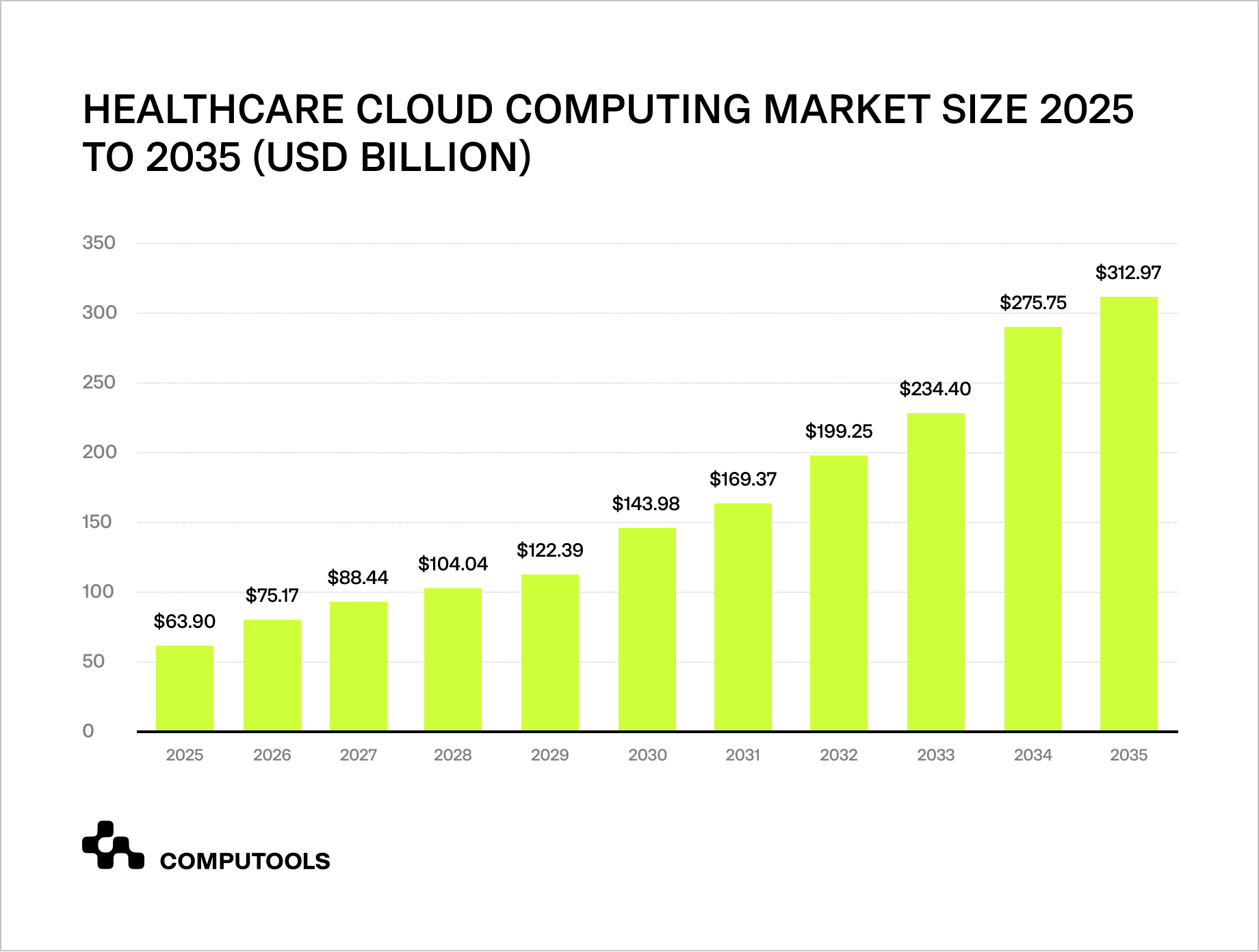
The dedicated healthcare cloud market alone is projected to surge from USD 54.3 billion in 2024 to nearly USD 197.5 billion by 2032 (CAGR 17.6%). Some estimates go even higher, with forecasts hitting USD 275 billion by 2034.
The U.S. held the largest market share in 2026, mainly due to increasing investments in advanced healthcare software development services and stringent regulations such as HIPAA.
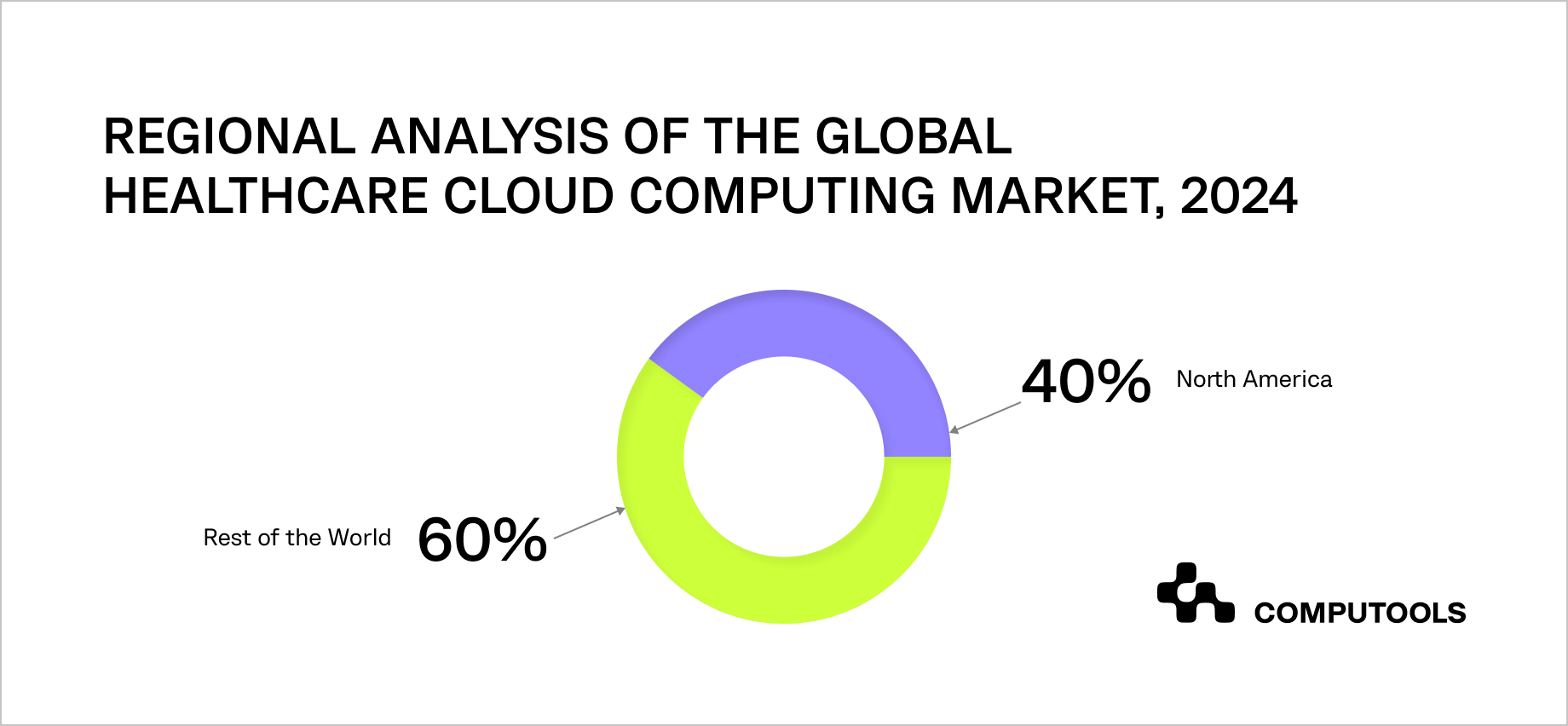
North America currently leads the charge, accounting for around 40% of the market, capturing the largest share in 2024, mainly due to stringent data privacy regulations, high investments in healthcare, and advanced technologies.
Canada and the U.S. are constantly updating patient data privacy and security regulations, which is increasing the demand for advanced data storage solutions.
China leads the Asia-Pacific region due to significant improvements in healthcare and considerable investments in healthcare-related information technology. Also, cloud computing and big data analytics are widely used here, which allows healthcare professionals to process large volumes of data efficiently.
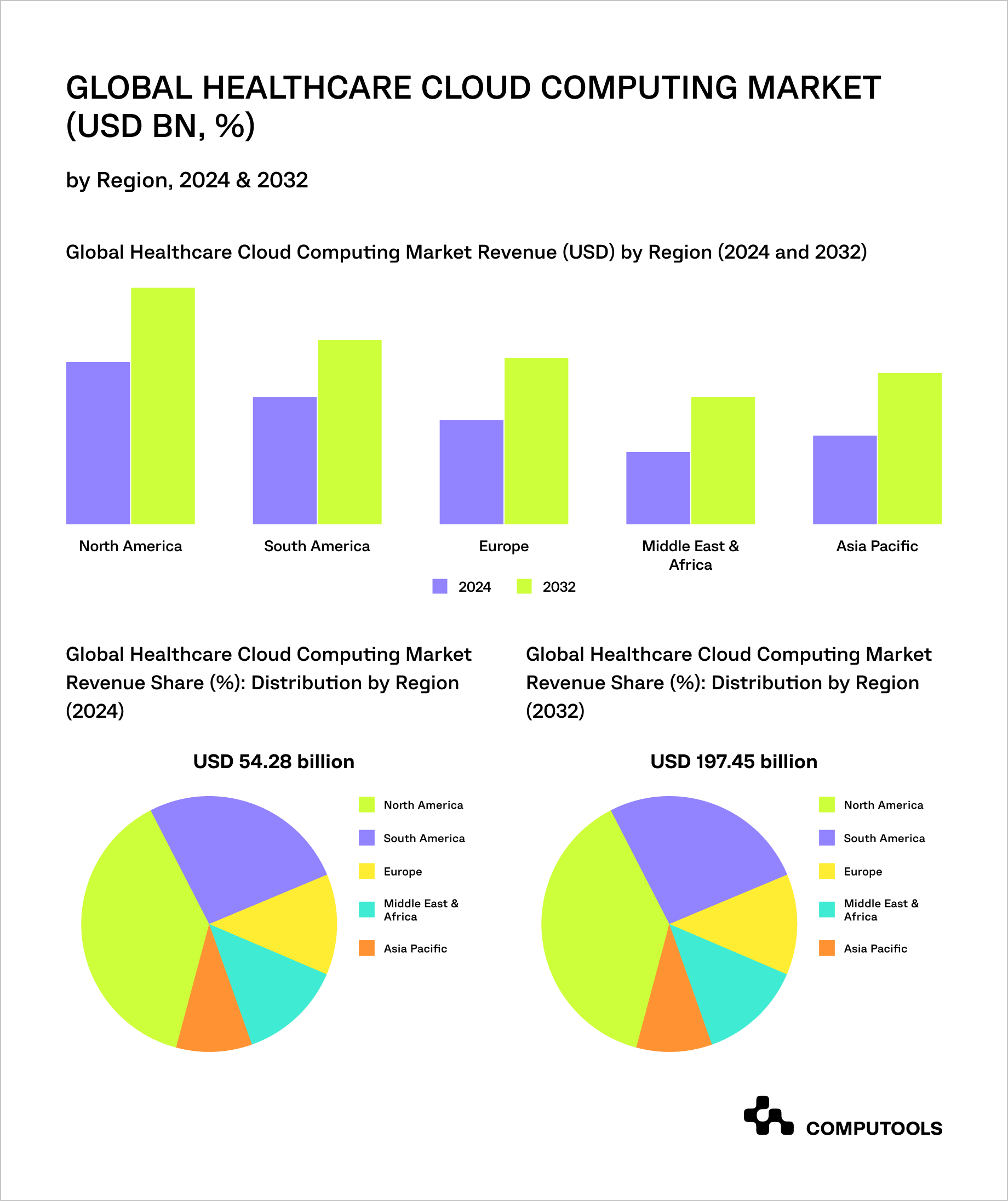
Europe is the most rapidly growing region, showcasing remarkable potential and dynamism, where there is a high demand for secure and efficient healthcare data storage solutions due to stringent regulations such as GDPR.
The rapid transition to digital tools such as EHR and telemedicine has accelerated the digitization of healthcare data, creating a need for data storage solutions.
Europe’s significant focus on sharing medical data for collaborative research is increasing the demand for interoperability beyond individual locations or organizations. In addition, the growing medical tourism in Germany, France, and the UK is creating opportunities for market growth.
Why healthcare heads to the cloud
Cloud platforms empower providers to manage vast amounts of EHRs, medical imaging, genomic datasets, and IoT-driven patient monitoring data without the high costs of on-premises infrastructure.
With the rise of advanced cloud software solutions, clinics and hospitals increasingly leverage these systems for telehealth services, AI-powered diagnostics, predictive analytics, and real-time remote monitoring, transforming raw data into actionable insights that directly improve patient outcomes.
In healthcare, cloud solutions have become the backbone of digital transformation. Providers rely on the cloud to:
• Store and process electronic health records (EHRs), manage medical imaging, support telemedicine platforms, and enable real-time patient monitoring through IoT devices.
• Cloud systems also power advanced analytics and AI-driven diagnostics, turning enormous datasets into insights that improve treatment accuracy, streamline workflows, and support personalized care.
• For administrators, cloud deployment means faster scalability, easier collaboration across departments, and reduced reliance on costly on-premises infrastructure.
At the same time, the shift highlights major risks. With 78% of healthcare organizations planning to strengthen defenses in 2026, issues of cloud spending, compliance, and patient safety remain critical.
Robust cloud security services, combined with advanced cloud data security practices, are essential to safeguard sensitive health information and ensure uninterrupted care across interconnected infrastructures.
Why cloud security is crucial in healthcare: the most concerning threats
The healthcare industry faces unique risks when migrating to the cloud. Patient safety, trust, and compliance depend on secure and reliable systems.
Below are the seven most pressing challenges and why addressing them is vital for healthcare providers.
1. Sensitive healthcare data. Patient records include sensitive personal information that must be protected at all costs. In the cloud, this requires robust PHI protection cloud strategies such as end-to-end encryption, anonymization, and strict monitoring. Without these safeguards, breaches can lead to identity theft, financial fraud, and loss of trust.
2. Regulatory compliance. Healthcare is one of the most strictly regulated industries, with frameworks such as HIPAA, GDPR, and HITRUST imposing rigorous standards and requirements. Strong cloud compliance ensures that migrating workloads doesn’t compromise these standards. Automated audits, log management, and compliance dashboards help organizations stay audit-ready at all times.
3. Data residency and jurisdiction. Patient data often must stay within specific boundaries (e.g., HIPAA in the U.S. or GDPR in the EU), which is part of broader security solutions, ensuring providers select cloud partners that meet data residency rules, while balancing scalability and global service delivery.
4. Data breaches. Phishing, ransomware, and cloud misconfigurations remain the leading causes of breaches in healthcare. Implementing zero-trust identity and access management in healthcare cloud systems with MFA, least-privilege access, and continuous identity verification helps minimize the risk of unauthorized access. It limits the damage if credentials are compromised.
5. Continuity of care. Any downtime or data loss can directly harm patients. Robust healthcare cloud risk management involves disaster recovery planning, automated backups, and redundancy strategies. This ensures that patient records, diagnostic tools, and telemedicine platforms remain available during cyberattacks or outages.
6. High bar for data accessibility and integration. Healthcare requires seamless interoperability between EHRs, insurers, labs, and telehealth platforms. Cloud systems must balance open data sharing with compliance and PHI protection. Proper identity controls and encrypted APIs guarantee data flows securely without exposing vulnerabilities.
7. SaaS risks. Many providers rely on SaaS-based solutions, which may introduce vulnerabilities due to multi-tenancy and improper access policies. Embedding SaaS tools into a broader cloud framework helps control who can access sensitive PHI while minimizing exposure.
Benefits of cloud security for healthcare businesses
The adoption of cloud solutions in healthcare brings not only operational flexibility but also significant advances in security. For hospitals, clinics, and other medical organizations, protecting patient trust and complying with strict regulatory frameworks are as critical as providing timely medical care.
Modern cloud security in healthcare ensures that digital transformation goes hand in hand with patient safety and regulatory trust.
1. Enhanced PHI protection and data security
Healthcare organizations manage enormous volumes of sensitive data — from electronic health records (EHRs) to genomic profiles and real-time data from IoT-enabled medical devices.
Moving these workloads into the cloud without proper safeguards exposes them to cyber risks. Robust cloud encryption strategies such as end-to-end encryption, anonymization of personal identifiers, and continuous monitoring ensure that Protected Health Information (PHI) is kept safe from unauthorized access or misuse.
This prevents identity theft and financial fraud and preserves patient trust, the cornerstone of healthcare.
2. Compliance and regulatory alignment
Compliance with frameworks like HIPAA, HITRUST, and GDPR is mandatory for healthcare providers. HIPAA-compliant security solutions embed audit logs, automated reporting, and built-in governance features into their environments.
This approach helps organizations avoid costly penalties while ensuring readiness as new regulations emerge. Strong compliance also strengthens patient trust, showing that their data is handled with the highest standards of care.
3. Reduced costs through cybersecurity risk mitigation
Data breaches are among the most expensive risks healthcare organizations face. HIPAA violations, ransomware payouts, and operational downtime can cost millions.
Cloud security healthcare reduces these risks by automating threat detection and prevention, thus lowering the likelihood of incidents. Healthcare providers with robust strategies save significantly on recovery and litigation costs. These financial savings can then be reinvested into improving patient services and innovation.
4. Improved efficiency and secure workflow automation
Strong security controls not only protect systems but also enable better efficiency. By integrating secure identity and access management, providers can safely automate repetitive tasks such as claims processing, appointment scheduling, and data exchange between labs, payers, and providers.
Doctors and nurses gain secure, real-time access to patient data without fear of leaks, enabling faster decision-making. This balance of security and speed creates measurable improvements in patient experience and clinical outcomes.
5. Scalability without compromising safety
Healthcare demand is highly dynamic, ranging from seasonal surges to global emergencies like pandemics. Multi-cloud security in healthcare ensures providers can scale storage, processing power, and digital services across different environments while maintaining consistent protection standards.
Zero-trust identity and access management guarantees that every new user, device, or application is verified before gaining access, making expansion safer and more efficient.
6. Risk management and continuity of care
System downtime or data loss in healthcare is not just an IT issue; it can delay treatments and cost lives. Advanced risk management strategies in cloud security ensure continuity of care with automated backups, disaster recovery planning, and redundancy architectures.
Patients continue to receive uninterrupted services, while organizations avoid reputational and financial damage.
7. Continuous staff awareness and AI-driven safeguards
Technology alone cannot secure a healthcare business. Human error is still one of the leading causes of breaches. Regular staff training on phishing awareness, access control, and compliance closes this gap.
At the same time, AI and machine learning tools within cloud security provide real-time anomaly detection and automated responses to emerging threats. This combination of awareness and automation creates smarter, more resilient security frameworks.
Key industry developments
Industry leaders are actively shaping the future of cloud security through innovation and partnerships. According to Fortune Business Insights (2026):
• Dell Medical School at the University of Texas at Austin has partnered with Rackspace to host and manage Epic EHR data in a private cloud. This collaboration enables them to avoid constructing their own data center, cut down on infrastructure costs, and establish a secure, cloud-based space for storing medical data.
• Athenahealth launched specialty EHR solutions for women’s health and urgent care, built on cloud-first infrastructure.
• Philips unveiled HealthSuite Imaging, a cloud-based PACS platform that integrates AI-enabled workflow orchestration and secure remote access.
• In collaboration with Microsoft Azure, Fujitsu released a cloud-based health data platform to enhance cloud security in healthcare and secure patient data sharing.
• Siemens introduced Siemens Xcelerator, combining IoT-enabled hardware and cloud software solutions to accelerate digital transformation in healthcare.
• CareCloud, Inc. launched CareCloud Remote, a digital health platform designed to improve referral securely and home case management.
Global companies combine cloud migration with advanced cybersecurity to offer scalable and secure solutions. At the same time, providers increasingly adopt healthcare compliance cloud frameworks to meet strict regulatory demands while safeguarding sensitive data.
The growing use of hybrid cloud security in healthcare also enables organizations to balance efficiency and flexibility, ensuring resilience without compromising patient trust.

Explore practical cloud security strategies for healthcare environments and connect with healthcare software development experts to define protection, compliance, and deployment requirements.
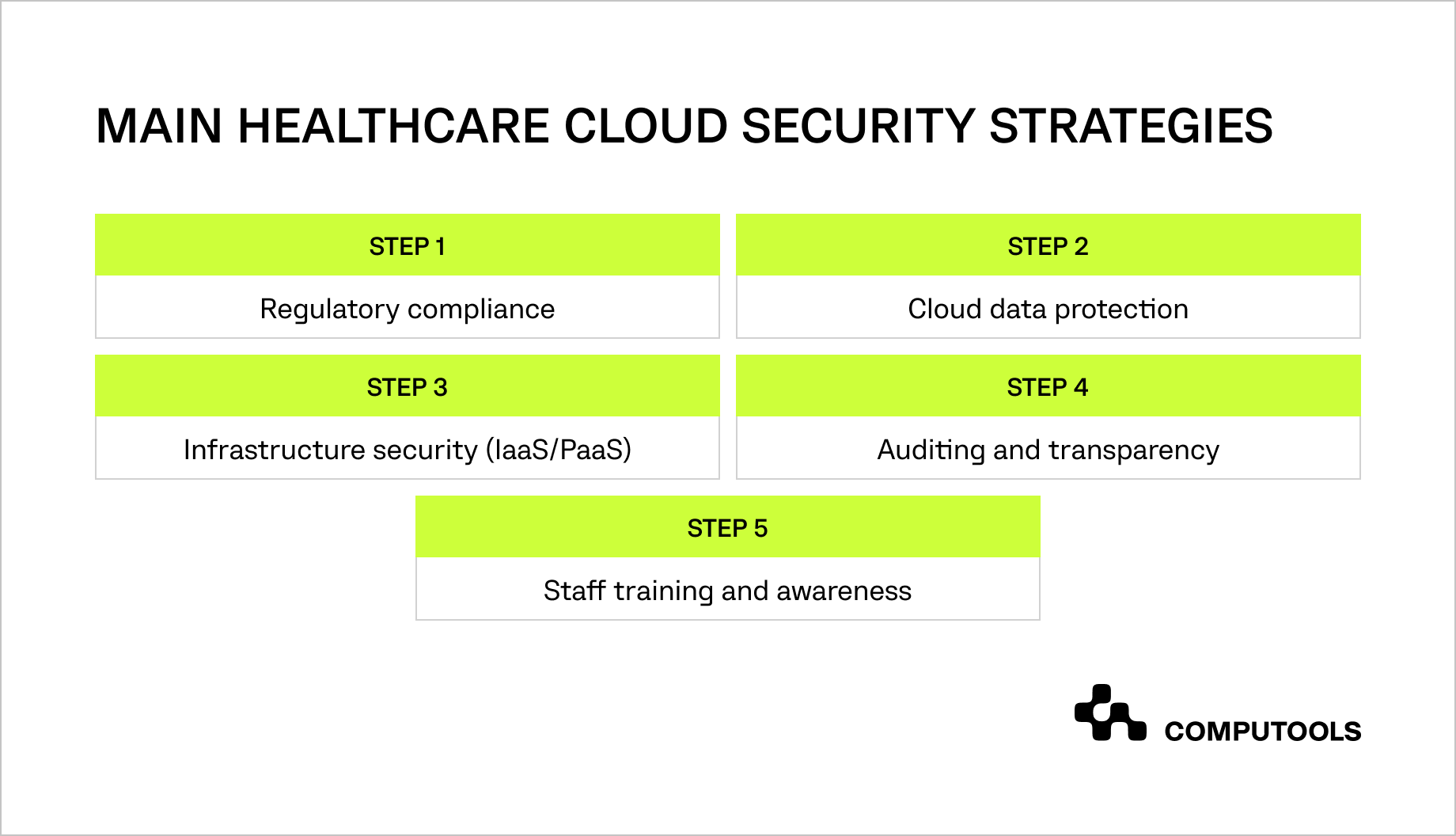
Top 5 strategies for cloud security in healthcare
1. Regulatory compliance
Healthcare organizations must protect patient data and comply with HIPAA, HITRUST, and ISO 27001 standards. Migrating workloads to the cloud should not compromise compliance levels. Centralized monitoring and auditing tools are essential to detect misconfigurations and maintain readiness.
In practice, this often requires adopting HIPAA-compliant cloud security solutions for healthcare providers, which combine continuous auditing, automated log collection, and real-time visibility into potential gaps. This approach ensures that PHI remains secure, maintains compliance scores, and preserves patient trust.
2. Cloud data protection
In 2023, the average cost of a healthcare data breach reached an all-time high of $10.93 million, the highest among all industries. Effective data protection needs end-to-end encryption, role-based access, multi-factor authentication, and strong incident response plans.
Modern strategies require hybrid cloud encryption and access control for patient data, ensuring that sensitive health records remain protected across multi-cloud environments and connected medical devices.
Beyond standard encryption, healthcare organizations must adopt frameworks such as SAML or OpenID Connect to ensure secure identity federation, with ongoing monitoring and thorough audit trails. By implementing these measures, providers protect PHI, minimize reputational and financial risks, and uphold patient trust.
3. Infrastructure security (IaaS/PaaS)
IaaS offers unmatched flexibility, allowing healthcare providers to scale computing resources on demand. However, this flexibility comes with complexity: proper configuration for DDoS protection, key management, encryption, and continuous auditing is essential to avoid misconfigurations that expose patient data.
Advanced monitoring, including cloud intrusion detection healthcare, plays a critical role in spotting anomalies and stopping attacks before they disrupt clinical workflows.
By contrast, since providers don’t manage the underlying infrastructure, the PaaS model simplifies operations with faster deployments and cost efficiency. Still, it introduces constraints such as limited customization, vendor lock-in, and potential gaps in meeting unique compliance requirements.
Selecting the right model and ensuring it aligns with regulatory and security goals is vital for maintaining strong healthcare cloud security across hybrid or multi-cloud environments.
4. Auditing and transparency
Cloud adoption increases the audit surface dramatically. Dedicated healthcare APIs help centralize log collection, monitor multiple services, and close the audit loop efficiently, ensuring compliance with HIPAA cloud security. Because workloads in the cloud expand the range of potential audit findings, healthcare organizations must rethink and strengthen auditing procedures to maintain full visibility.
Using frameworks like the GCloud Healthcare API ensures more robust performance than standard logging and enables seamless monitoring across multiple services. Since data often flows through hybrid or multi-cloud setups, validating endpoints and applying continuous monitoring is crucial to avoid gaps.
By maintaining strong auditing practices, healthcare providers can ensure compliance, minimize risks, and retain patient trust through complete transparency.
5. Staff training and awareness
In 2025, healthcare phishing attacks resulted in $10 million in recovery expenses for each ransomware incident. Human error remains the most significant vulnerability. Ongoing training, phishing simulations, and healthcare-specific cybersecurity sessions strengthen data protection.
However, major cloud providers rarely cover healthcare-specific compliance scenarios in their generic training. This leaves organizations responsible for ensuring their staff understands unique regulatory and security requirements. Interactive workshops and real-world case reviews help reduce risks more effectively than standard tutorials.
Building a culture of security awareness, combined with continuous education and scenario-based training, minimizes the likelihood of catastrophic leaks and ensures that healthcare teams remain a strong first line of defense against cyber threats.
What future trends are emerging in healthcare cloud security?
The rapid growth of digital health is boosting the need for stronger and smarter cloud security.
Several trends are changing the landscape: Zero Trust security models, DevSecOps automation, advanced IAM, SASE, and cybersecurity mesh. Together, they signal a move toward more flexible, distributed, and proactive protection frameworks.
Additionally, Gartner (May 2025) has identified six global cloud trends directly impacting healthcare: growing demand for AI/ML workloads, increasing reliance on multicloud and cross-cloud strategies, rising industry-specific cloud platforms, and heightened focus on digital sovereignty and sustainability.
Gartner predicts that by 2029, 50% of cloud compute resources will be devoted to AI workloads, while over half of multinational organizations will implement digital sovereign strategies to protect sensitive data and ensure compliance across jurisdictions.
For healthcare providers, this means preparing cloud infrastructures for today’s compliance and security requirements and tomorrow’s demands, where AI-driven diagnostics, hybrid cloud adoption, and patient data sovereignty will define resilience and competitiveness.
Why healthcare needs trusted security partnerships today
Recent incidents in the healthcare industry underline how fragile patient trust and safety can be without robust protection.
In February 2025, Episource faced a massive breach impacting over 5.4 million individuals, where sensitive data from diagnoses to insurance information was compromised. Similarly, Frederick Health Medical Group suffered an attack affecting nearly 934,000 patients. While the organization responded quickly by shutting down systems and offering identity protection, the scale of disruption revealed the limits of in-house responses without resilient security frameworks.
These cases illustrate why healthcare providers increasingly turn to trusted partners for advanced cybersecurity and secure migration services. A strong partner helps implement zero trust healthcare cloud models, guaranteeing that every access attempt is verified and monitored.
They deploy cloud firewall healthcare to block harmful traffic before it reaches sensitive systems. They also maintain strong cloud backup recovery strategies, ensuring data availability even during ransomware attacks or outages.
Choosing a reliable partner helps healthcare providers strengthen their defenses, lower breach risks, and speed recovery. Using expertise in multi-cloud security in healthcare, these collaborations assist organizations in staying compliant while protecting patient trust and maintaining operational resilience.
Why partner with Computools for healthcare cloud solutions and security?
Computools, an international technology partner with 400+ projects delivered worldwide, has repeatedly proven its expertise in cloud migration services and cybersecurity services for healthcare providers.
Computools has successful experience in this area, for example, for a U.S. company, Safety Healthcare, we developed a cloud-based application that uses RFID tags and barcodes to track medical equipment in real time. The solution streamlined operations, boosted revenue by 56%, and reduced equipment checkout time by 74%, ensuring complete data protection.
Israeli Dental Health needed to modernize its outdated platform for dental professionals. Our team delivered cloud migration services, integrated AI for X-ray image processing, and significantly improved system performance. As a result, the client now operates a faster, more secure, and future-ready platform that builds stronger trust with doctors and patients.
We also built a web platform for Medicare Assistance in Norway to manage patient data and appointment scheduling. By applying advanced cybersecurity services, we ensured encryption, access control, and compliance with European privacy standards, making the platform reliable and user-friendly.
These cases demonstrate Computools’ ability to deliver secure, scalable, and innovative solutions that improve healthcare operations.
Email us at info@computools.com if you’re ready to strengthen your organization with modern cloud and AI solutions. We’ll be glad to help you move forward.
To wrap up
As healthcare enters a new digital era, cloud security is no longer just a choice. We must focus on encryption, access controls, compliance, disaster recovery, and staff training. These aren’t just technical details, but vital for building patient trust and ensuring consistent care.
What makes a difference is having the right expertise on your side. A trustworthy partner can turn those complex security needs into a smooth, strong system that safeguards sensitive information while allowing growth and innovation. In healthcare, timing and accuracy are everything, so selecting the right partner is critical.
Computools
Software Solutions
Computools is an IT consulting and software development company that delivers innovative solutions to help businesses unlock tomorrow.










“Computools was selected through an RFP process. They were shortlisted and selected from between 5 other suppliers. Computools has worked thoroughly and timely to solve all security issues and launch as agreed. Their expertise is impressive.”