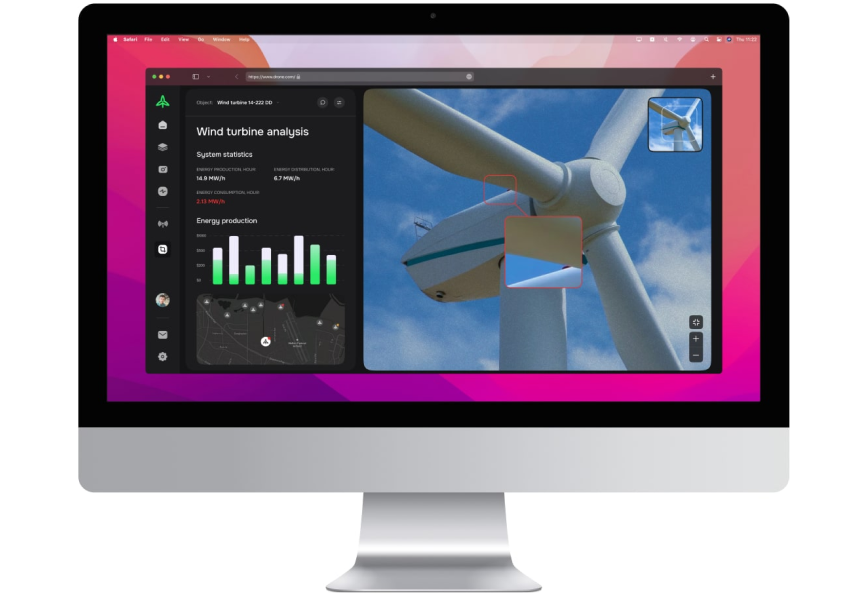
Our client, a leading player in the wind energy industry, manages turbine fleets across many sites. Inspection reports arrived in different formats and were stored in different places, so analysis was manual, slow, and difficult to scale.
Computools implemented a platform that gathers reports in one place, extracts key data such as blade damage categories and assessment status, and ranks maintenance tasks by business rules. Turbine sensors feed condition data into the same IoT-enabled system.
The client is a leading player in the wind energy sector, servicing more than 57,000 turbines in 77 countries. The company works with turbine performance, maintenance, and operational reliability across a large international fleet.
The client needed renewable energy software development services that could centralize turbine inspection reports, structure condition data, and support maintenance planning across a large wind energy fleet.
The client, as a leading player in the wind energy sector, aims to maximize the performance of its wind turbines and minimize downtime. However, the company has encountered a range of issues related to turbine inspection data management:
The project required data engineering to structure inspection reports, turbine condition data, assessment statuses, and maintenance priorities into a reliable processing flow.
Computools developed and implemented an IoT-enabled management system for wind turbine inspection reports and condition data. The solution included:
Computools applied AI development expertise to support neural recognition of potential turbine issues and cluster analysis for staff review.
The platform improved how the client processes turbine inspection data and plans maintenance work.
The solution also reduced operational effort for the analytics team.
The client was looking for a solution to manage wind turbine inspection data. They held a tender, inviting proposals from various companies, including off-the-shelf solutions. We ran a pilot project that demonstrated our skills and fit with the client’s requirements. Different people from the client’s company were involved in the decision making process, ensuring a thorough selection. Our experience in developing similar systems and knowledge of wind energy also played a role.
We immediately established open communication using Slack and Jira. At first we focused on centralised storage of all reports (CIR & BIR) and automatic extraction of key data from them. The client appreciated the open communication and co-operation. The pilot project showed our competence. We were quick to address his key concerns.
In the end, we were chosen due to our experience, pilot project and open approach to work.

During the development of the data management system, Computools placed significant emphasis on design considerations. The goal was to create an intuitive and user-friendly interface, enabling users to work with data easily and efficiently.
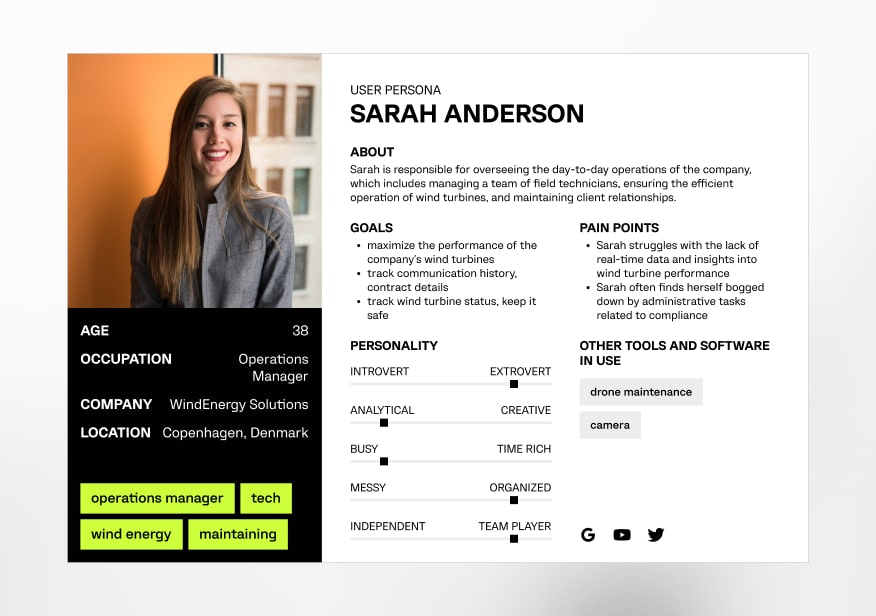
Detailed profiles to guide solutions for turbine data management.
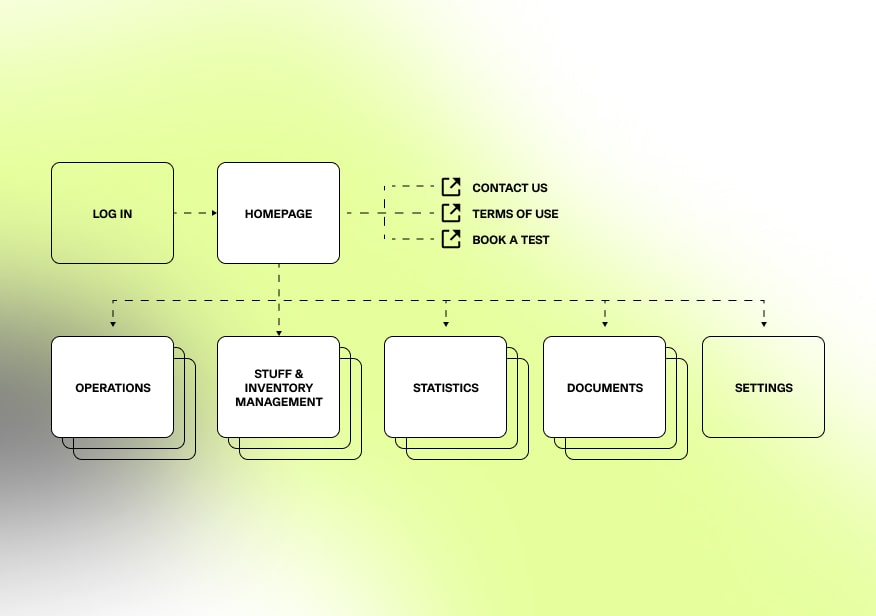
Hierarchical structure outlining seamless access to inspection reports and analytics
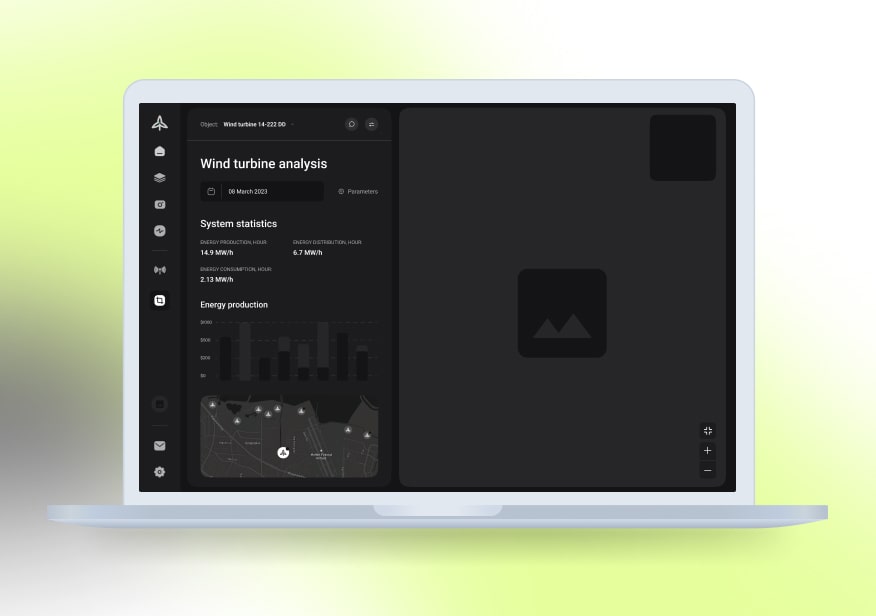
Schematic representations for efficient layout and interaction planning of the system
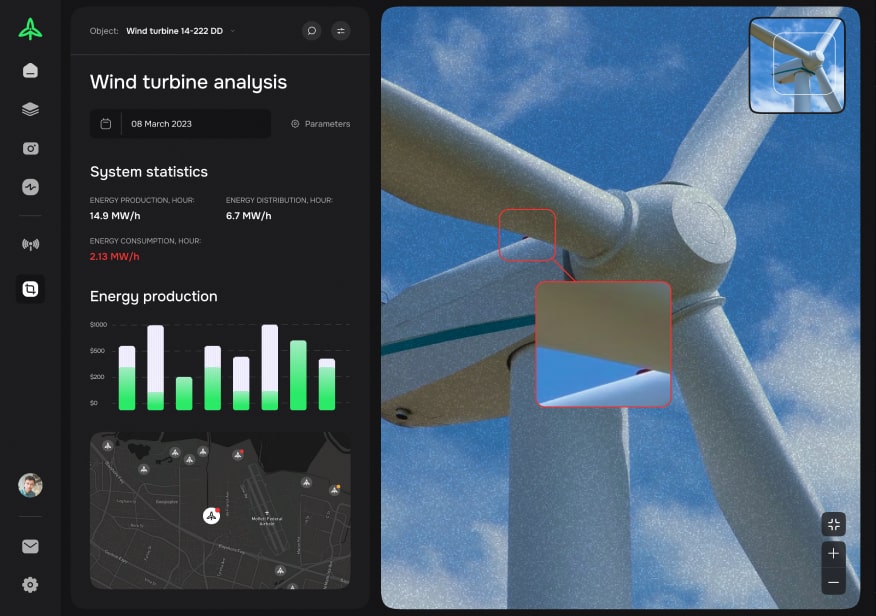
Streamlined design for users to interact seamlessly with turbine inspection data

Java
Java was used to build the core system logic for processing inspection reports, applying business rules, and supporting maintenance prioritization workflows.

Angular
Angular was used for the front end, giving staff a structured interface to access inspection reports, review extracted data, and manage turbine condition information.

PostgreSQL
PostgreSQL supported structured data storage for inspection reports, turbine condition records, assessment statuses, and maintenance-related data.

TensorFlow
TensorFlow was used to support neural recognition of potential turbine issues and cluster analysis for staff review.
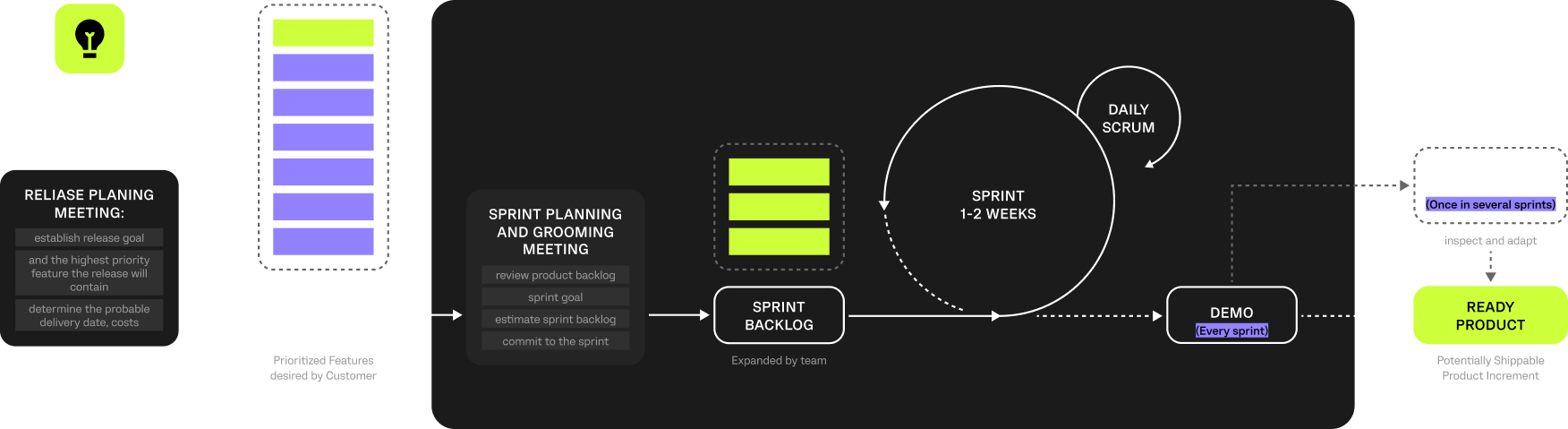
The project was managed using the Scrum methodology, chosen for its structured and iterative approach to project management. Key aspects of Scrum were incorporated to ensure efficient planning, execution, and adaptation throughout the project lifecycle. Scrum was selected for its ability to provide clear roles, responsibilities and sprint-based planning, which facilitated effective collaboration and project progress tracking.
Before finalizing our choice with the Computools team, we initiated a tender, inviting proposals from various potential partners. The decisive factor in choosing Computools was a pilot project that allowed us to assess the team’s practical capabilities and their alignment with our requirements.
On our part, the decision to collaborate involved the company owner, product coordinator, subject matter expert, technical lead, and the SRE team. This collective approach ensured a comprehensive evaluation, considering various perspectives and criteria. The contractor’s expertise in developing similar data management systems and the ability to offer solutions tailored to the specific needs of the wind energy sector influenced our decision.




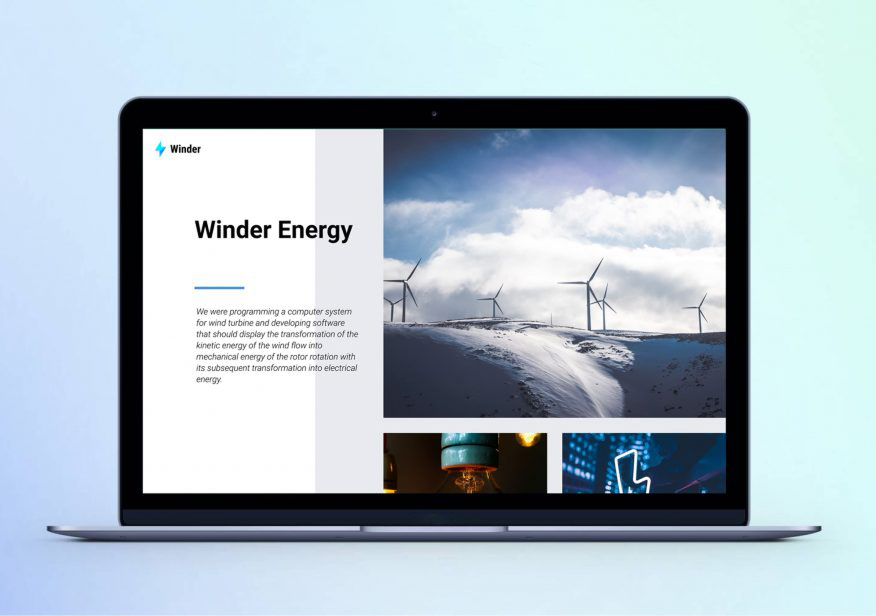
The client needed a faster way to choose wind turbine positions across different terrain and weather conditions. Computools developed a web system that combines topology, weather, device, and turbine data, predicts generation output, and supports what-if analysis for location and direction. The solution reduced decision-making time for new turbine installation by 50% and reached 90% accuracy in suggesting optimal turbine locations.

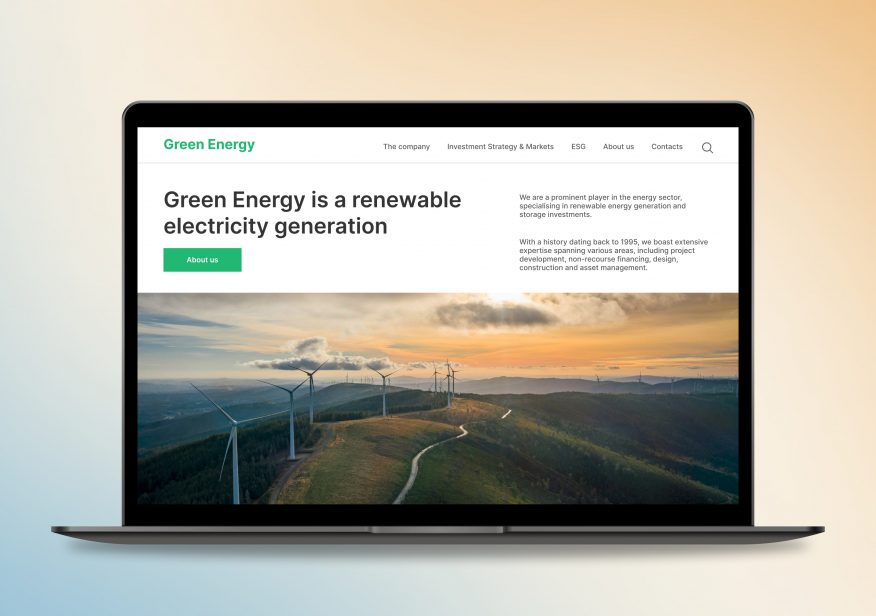
A renewable energy investment platform needed a faster way to process energy-saving loan applications and coordinate work between administrators, contractors, and sellers. Computools developed a secure web portal with role-based access, streamlined application workflows, and customized approval algorithms. The platform handled over 10,000 loan applications in two years and reduced loan decision time from 2 weeks to 2 working days.

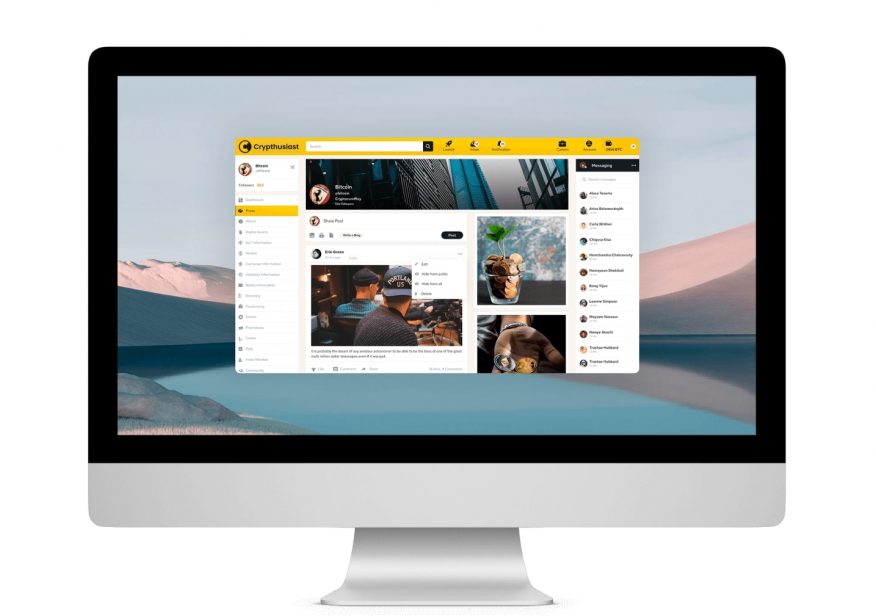
Our client operated a social network for cryptocurrency exchanges. Their company faced the challenges of engaging users, developing a market forecasting system and integrating cryptocurrency exchange tools. Our team provided a CTO who developed a growth strategy and implemented technical solutions using advanced technology. With CTO as a Service from our team, Crypthusiast was able to successfully deploy the social network, attract over 10,000 users and achieve almost double the annual premium plan sales and monthly subscription growth, strengthening their position in the cryptocurrency social networking market.

Computools | 341 Raven Cir, Camden Wyoming, Delaware 19934, US